

This is the latest post in my “12 Things Everyone Should Know” series. You can access the full collection here.
In 2024, I published a piece titled “12 Things Everyone Should Know About IQ.” It was one of my first paywalled posts, and I was amazed at how big the response was. More than two years later, it remains the most popular post I’ve ever published. Clearly, IQ is a topic that fascinates people.
It’s not hard to see why. Intelligence affects almost every aspect of our lives, from how well we do at school and at work to our health and longevity. At the same time, few topics in psychology generate as much debate and disagreement. IQ has been described as everything from psychology’s greatest scientific achievement to its greatest fraud.

The good news for fans of IQ is that my first post barely scratched the surface of the topic. In this follow-up, we’ll look at 12 more things everyone should know about IQ - including what we’ve learned about factors that raise or lower it, whether there’s really an IQ threshold beyond which being smarter stops being useful, and why the century-long rise in IQ scores may now be going into reverse.
Let’s get started.
1. Most People Don’t Know How Smart They Are
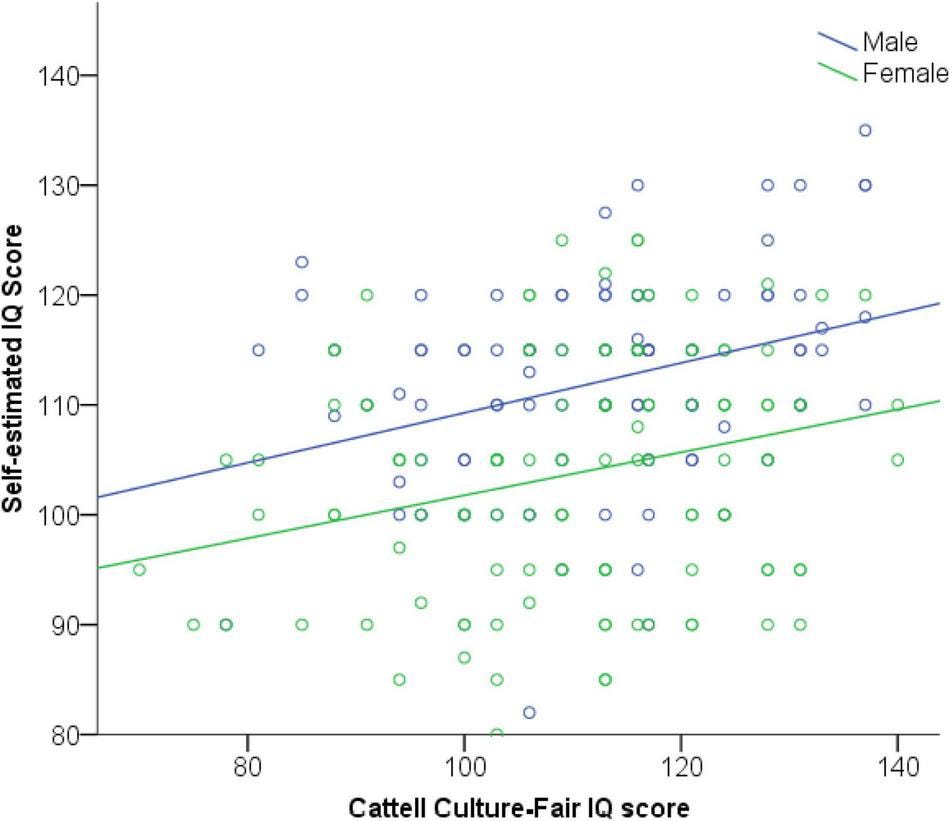
If you ask people how extraverted or conscientious they are, they’ve usually got a pretty good idea. If you ask them their IQ? Not so good. Self-assessed IQ is only weakly related to objectively measured IQ. Indeed, self-assessed IQ is a better barometer of people’s self-esteem than of their actual cognitive ability. Interestingly, while both sexes sometimes overestimate their IQs, one sex does it more than the other. Before looking at the graph below, see if you can guess which it is…
2. Intelligence Is Attractive - But Only Up to a Point
People generally prize intelligence in a boyfriend, girlfriend, husband, or wife - but more isn’t always better. The sweet spot seems to be around IQ 120. As shown in the following graph, people rate a person with a 120 IQ as more desirable than someone with an IQ of 135 or above. Perhaps surprisingly, this is true regardless of their own level of intelligence.