


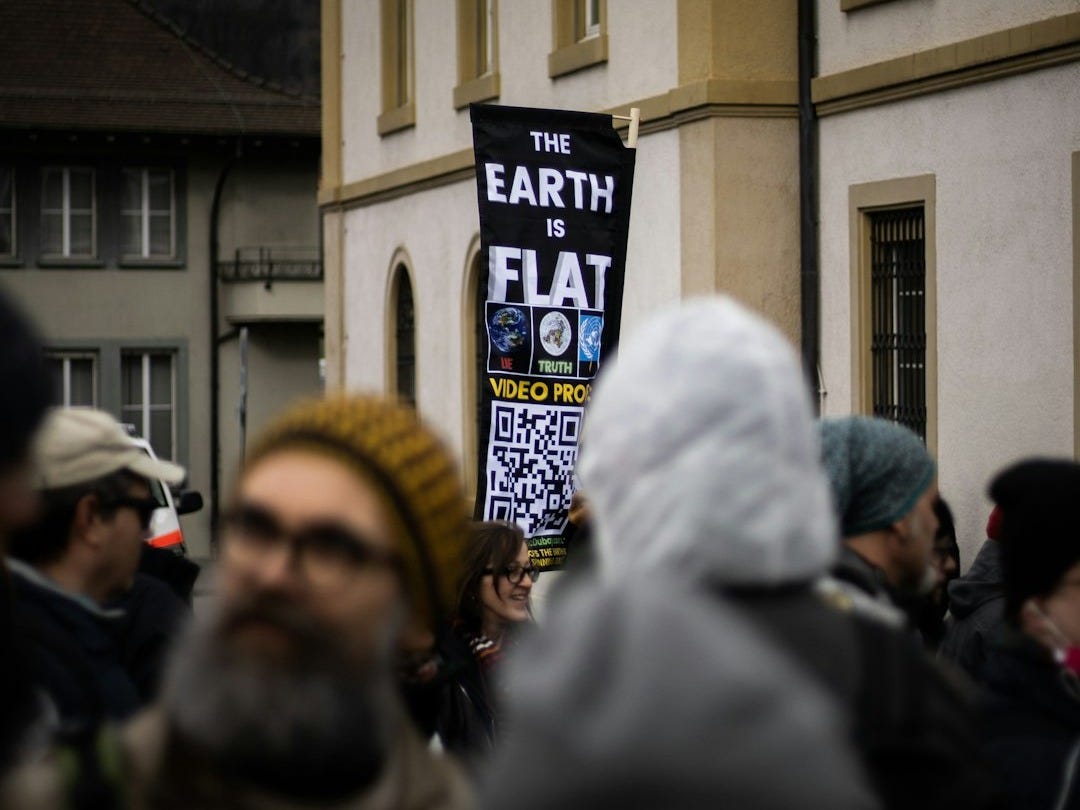
This is the latest post in my “Comparing Left and Right” series. Click here for the full collection.
In this installment, I tackle a question that comes up whenever science collides with politics: Which side of the political spectrum is more prone to science denial? Many commentators - and many psychologists - argue that the problem lies mainly on the right. But a closer look suggests a more complex story. Both sides, it seems, have their scientific blind spots - and when scientific findings clash with people’s political commitments, liberals and conservatives behave in surprisingly similar ways.
Why Science Matters
Science is our species’ single greatest cultural invention. It’s taken us from an animal little more informed than any other to an ape that understands the universe, at least in its broad outline. The proof in this pudding is that, based on our scientific understanding of the world, we’ve developed technologies that do what rituals and magic tried to but never could: cure disease, extend life, and reshape the world around us.
Needless to say, science is far from perfect, and can be used for bad as well as good. But it’s the most powerful institution we’ve ever created, and it’s our best hope for a better future.
The Science of Science Denial
Given its remarkable track record, we should all be concerned about threats to science and its continued progress. One such threat is science denial: the groundless rejection of well-established scientific conclusions. Unsurprisingly, scientists themselves have been especially keen to sound the alarm about this widespread tendency - and social scientists have turned a scientific gaze on the problem.
One common conclusion is that science denial is primarily an issue on the political right. Consistent with this idea, right-leaning individuals are more likely than their left-leaning counterparts to deny various pivotal scientific claims. This is captured nicely in the following, admittedly rather US-centric meme.
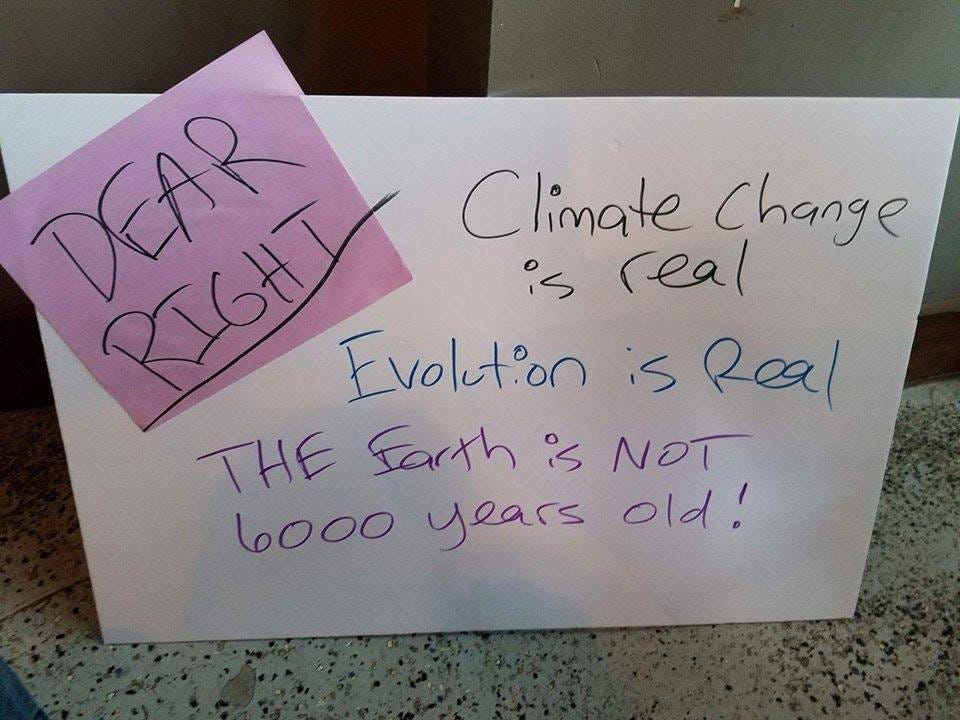
And these aren’t the only examples. People on the right are also more likely to deny that COVID vaccines save lives, that air pollution harms health, that sex education reduces teen pregnancy, and so on.
Why do they do it? According to many psychologists, it’s because people on the right have certain cognitive tendencies that make science denial more tempting for them. These include a strong need for epistemic closure, cognitive rigidity, and a proclivity for system-justifying beliefs. People on the left are less prone to these cognitive foibles, and thus less prone to science denial.
Science Denial on the Left
These ideas seem plausible enough at first glance. As good scientists, though, we should always be willing to stress-test them. A good place to start might be with the fact that most psychologists and social scientists are themselves on the political left. This creates several potential problems when it comes to research on science denial.
First, because most psychologists lean left, they may be more inclined to characterize people on the right as having maladaptive cognitive and personality traits that explain why they get everything wrong - and to portray their own side as having various virtuous traits that explain why they get everything right. And because there are relatively few right-leaning researchers, these conclusions may receive less scrutiny than they should.
Second, psychologists may be quick to spot science denial on the right but slower to spot it on their own side. Sure enough, although we’re less likely to hear about it, the left does seem to have certain blind spots when it comes to accepting scientific findings. Again, some prime examples have been captured in popular memes.