

Welcome to the July 2026 edition of the N3 Newsletter Linkfest: a collection of links to papers and articles that grabbed my attention over the last month. On the menu today…
The classic study showing that experts often predict the future no better than chance
Why dating apps may be making romance harder, rather than easier
The female multitasking myth
Why the gender-equality paradox might not be about gender equality at all
The downside of belief in free will
How AI cheating is undermining education
How spraying mosquitoes may be creating a new breed of super-mosquitoes
On top of that, we’ll ask: Are mRNA vaccines safe? Does paracetamol during pregnancy increase the risk of kids developing autism and ADHD? And why have autism and ADHD diagnoses skyrocketed in recent years?
Around half the items are free to read for everyone; the rest are for paid subscribers.
You can access the complete collection of Linkfests here.
Orangutan Playdates
Even orangutans arrange playdates for their kids. Drawing on fifteen years of data, researchers found that orang mothers make extra trips to the territories of other mothers with similarly aged offspring so their youngsters can play together. Play isn’t just fun and games, you see; it’s crucial for social development. That’s why it evolved - and presumably why orang mums evolved to facilitate it. [Link.]
Chimpanzee Muscles
This chimp with alopecia reveals a truth usually concealed in fur: Chimps. Are. Ripped. [Link.]

Two Classic Findings in Psychology
Choice Blindness
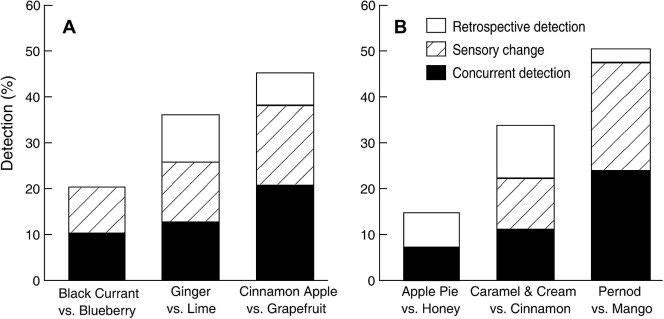
How well do we know our own preferences? Not as well as we might imagine. In a classic demonstration of “choice blindness,” researchers secretly swapped participants’ preferred jams and teas for the options they’d rejected, then asked them to explain their choices. Around two-thirds failed to notice the switch - and happily justified a choice they’d never made. [Link.]
The Expert Illusion
In one of the most sobering studies in all of psychology, Philip Tetlock had hundreds of academics and political pundits make predictions about various economic and geopolitical matters. The experts often did no better than chance in their predictions. Not only that, but they did worse than simple rules like “assume no change” or “extrapolate the current trend.” [Link.]
The Latest from Political Psychology
A 30-year longitudinal study found that adolescents prone to internalizing problems such as depression and anxiety were more likely to lean left politically in midlife, whereas those with externalizing problems such as impulsivity and aggression were more likely to lean right. [Link.]
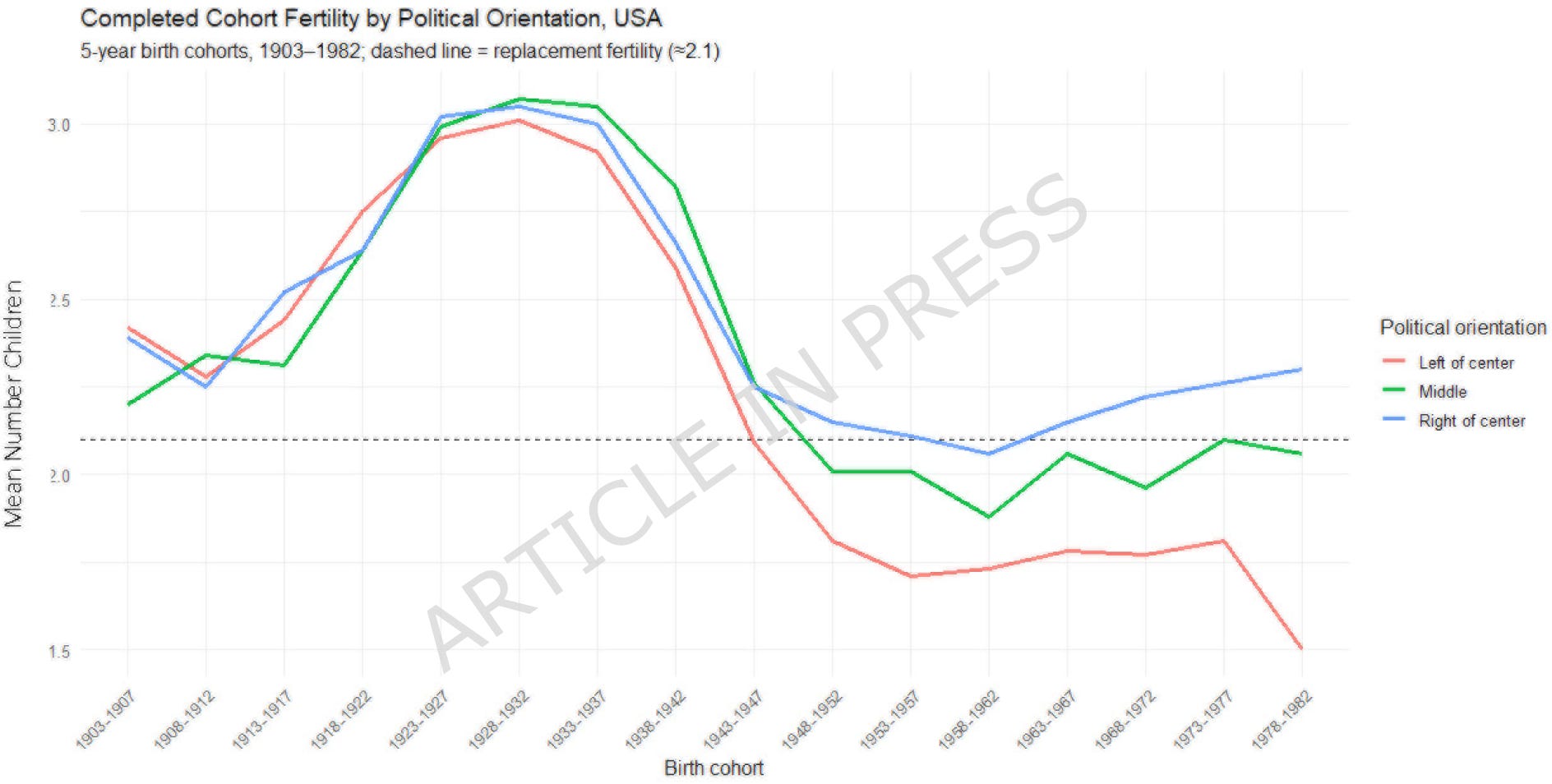
The recent birth decline in the US is driven largely by people on the left. Conservatives and centrists have maintained roughly replacement-level fertility since World War II, while fertility has slumped among left-leaning individuals. Education is associated with fewer children, religious attendance with more. [Link.]

More Dating Apps, Fewer Relationships
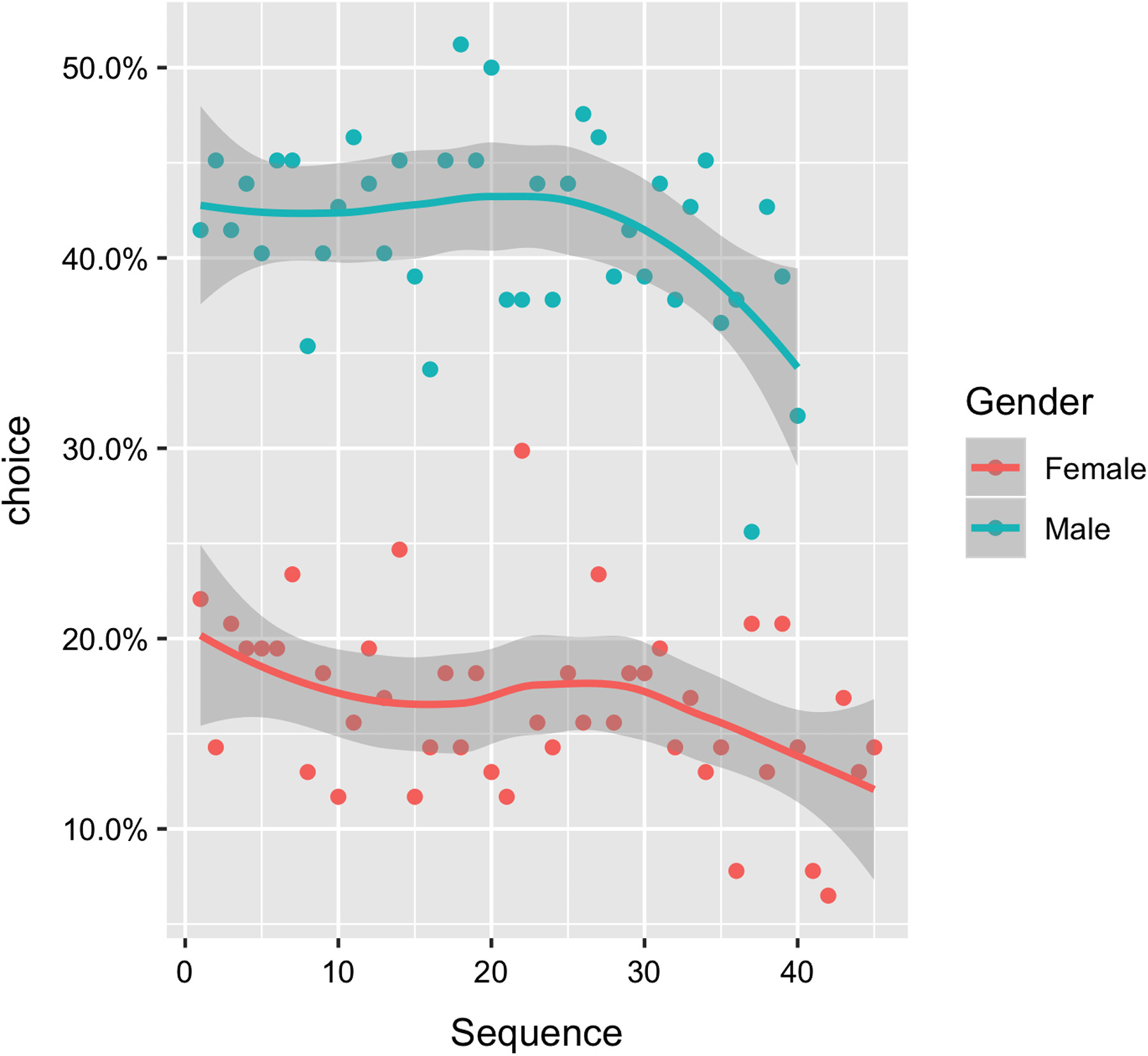
Why are rates of pairing up and having children falling, even while dating apps serve up more options than ever? According to a 2020 study, part of the answer is that when we have too many options, we automatically become pickier - and suddenly no one’s good enough for us. This effect is particularly pronounced for women. [Link.]
Are Single Women Happier?
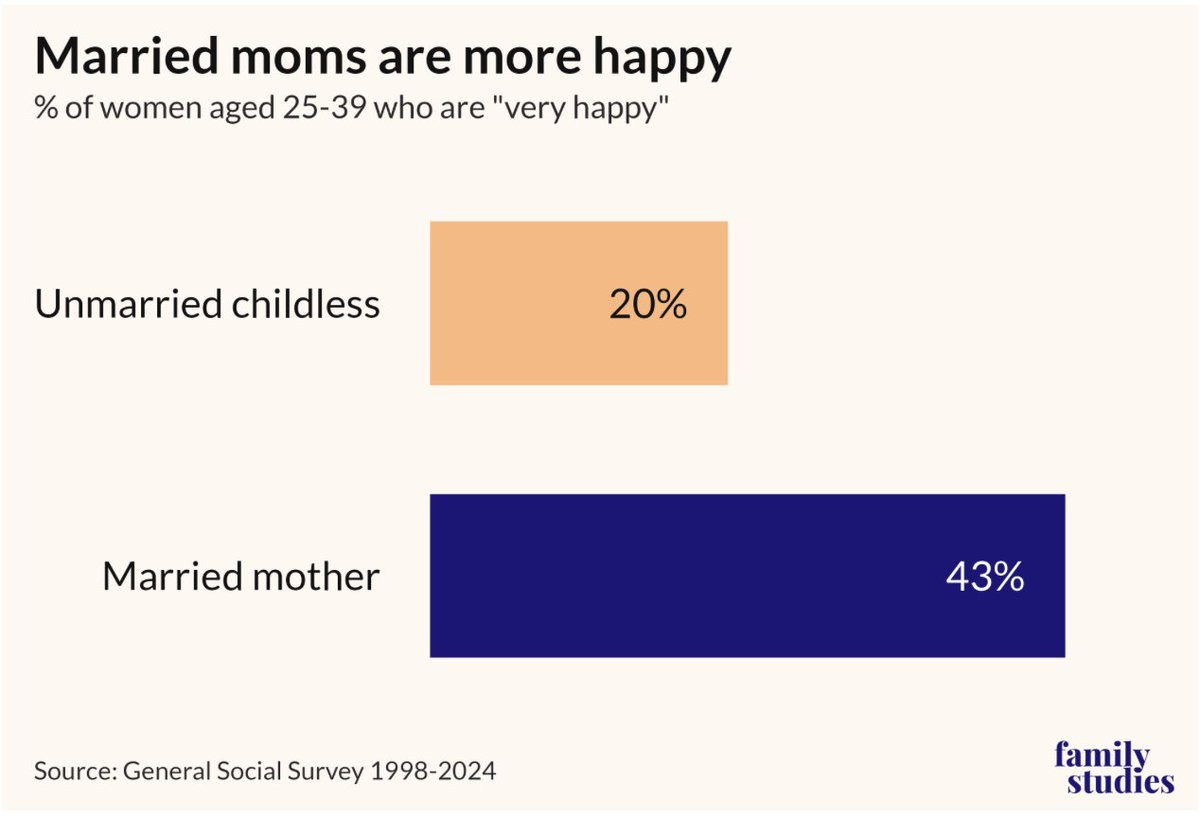
Most single women believe they are: 76% of those aged 18-29, according to one survey. On average, though, married mothers are happier than their unmarried, childfree counterparts. [Link.]