



In Case You Missed It…
Top 10 Most Replicable Findings from Behavior Genetics, Part 2: Findings #6-10
Keeping It Casual, Part 2: The Nature and Nurture of Sex Differences in Casual Sex
People Prone to Corporate Bullshit Tend to Make Worse Leaders
Welcome to the April 2026 edition of the N3 Newsletter Linkfest: a collection of links to papers and articles that grabbed my attention over the last month. On the menu today…
An innate sense of kindness in humans and dogs
Why greater gender equality means fewer babies
Three new findings on personality, three new findings on sex differences, and three new findings on gender issues
The lengths females go to to avoid unwanted male attention
The downside of reclaiming slurs
And we’ll ask: Which is more common, misogyny or misandry? Does gender reassignment help or harm the mental health of youth with gender dysphoria? And does DEI foster inclusion and mutual understanding or division and hostility?
The first half of the Linkfest is free to read for everyone; the rest is for paid subscribers. I tend to put my spicier content behind a paywall, so if you want a taste of that, consider becoming a paid subscriber.
You can read about the benefits of a paid subscription here, and you can access the complete collection of Linkfests here.
But First, Some News…
I’ll be appearing at the How the Light Gets In festival in Hay-on-Wye this May 22-25, doing a debate about the merits and demerits of spirituality, a podcast with Michael Shermer, and an event for my forthcoming book A Billion Years of Sex Differences.
Wanna come? You should come; it’ll be fun!
Echolocation in Humans
Some blind people don’t just learn to live without vision; they replace it with something arguably just as impressive: echolocation. Specifically, they make click sounds with their mouths, then use the returning echoes to detect objects and navigate through the world. In a clever EEG study, blind echolocators outperformed sighted participants at locating objects in the dark, progressively refining their spatial judgments by integrating echoes across multiple clicks. [Link.]
Born to Give
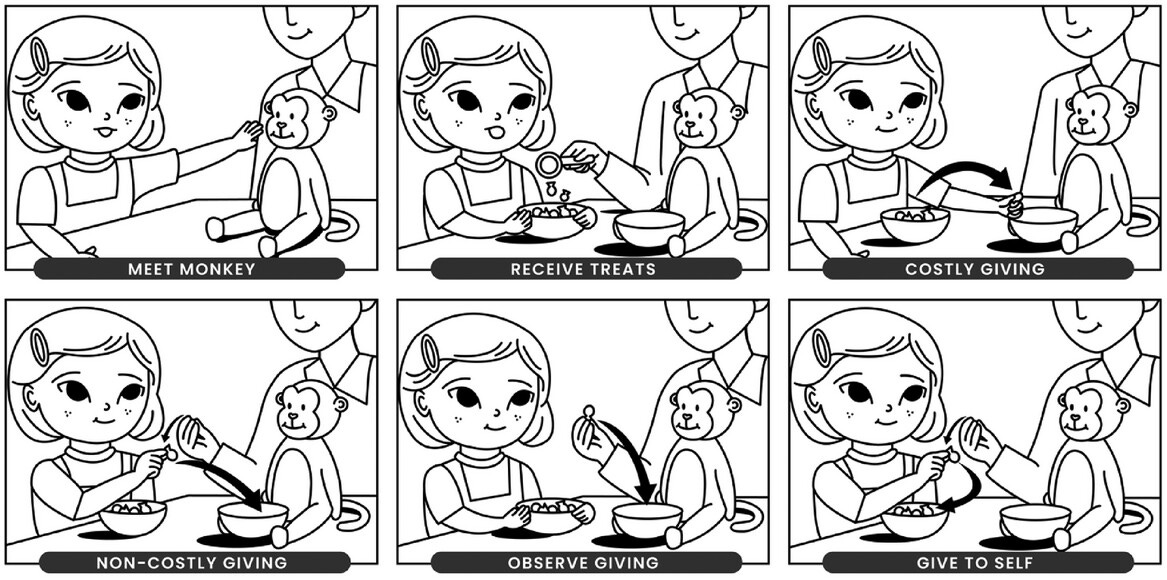
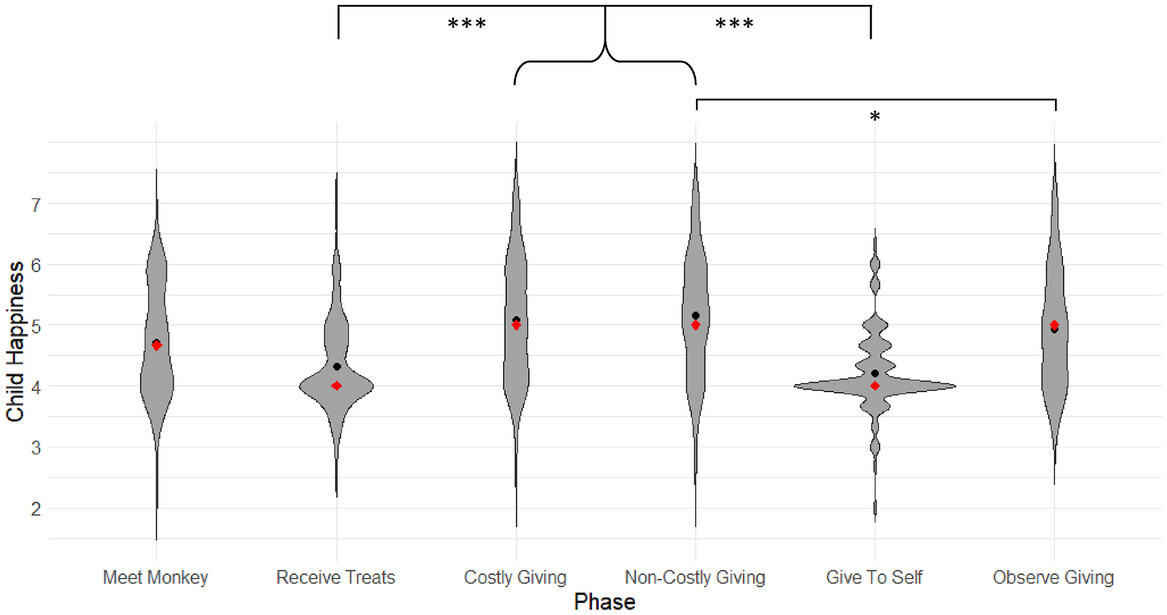
Toddlers, it turns out, are tiny altruists: They’re happier giving treats away than receiving them. Not only that, but they’re happier when they personally give the treats than when someone else does, and happier when they give them spontaneously than because they were told to. This is suggestive evidence that human altruism is driven by the inbuilt emotional rewards of lending a helping hand. [Link.]
Dogs Help, Cats Watch
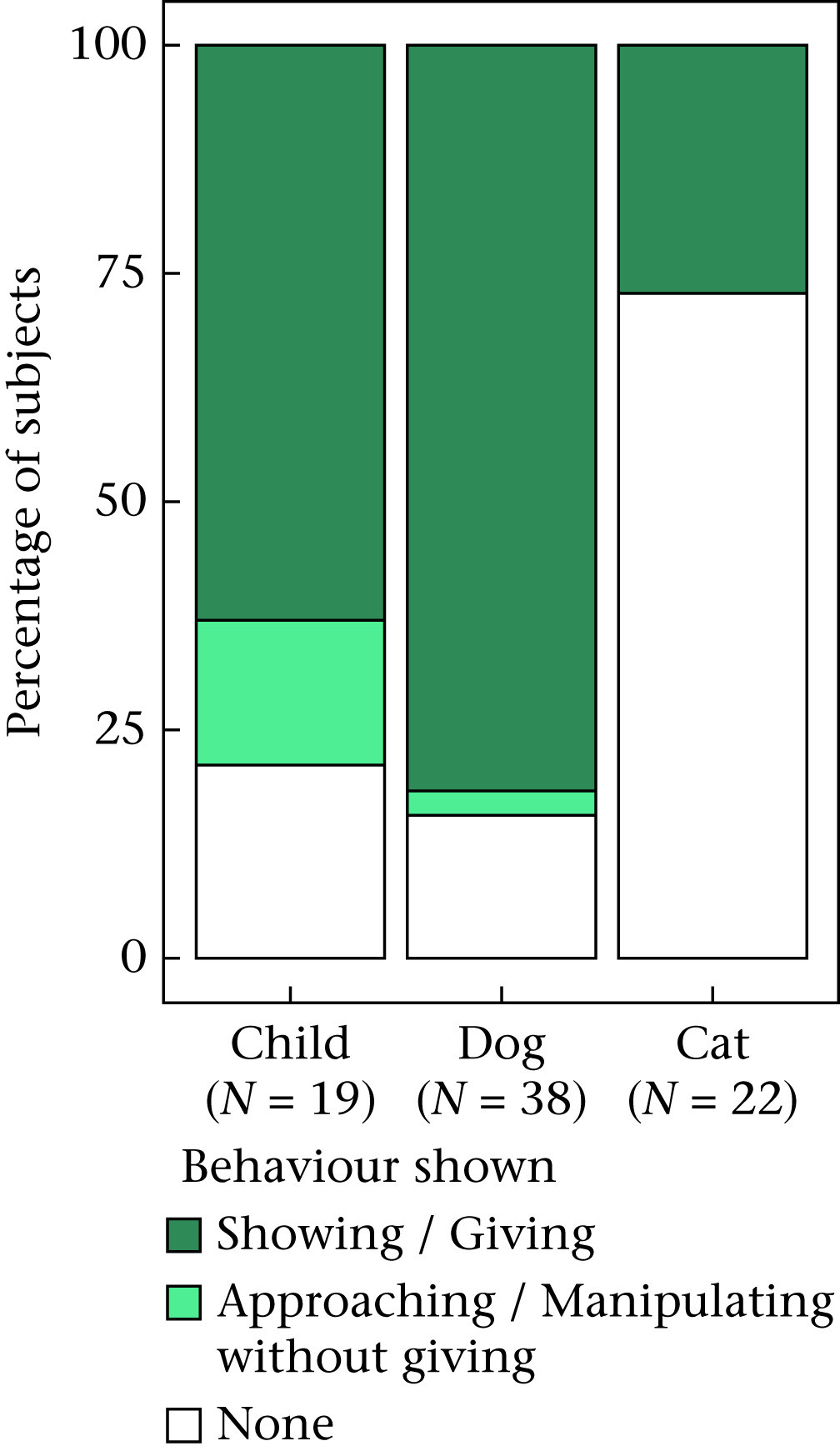
Dogs are about as helpful as toddlers, but cats look out for number one. In a fascinating recent experiment, a human parent pretended to be looking for a lost object. Around three-quarters of toddlers and dogs tried to help. Most cats, in contrast, sat back unless there was something in it for them. Helpfulness, it seems, comes more naturally to some species than others. [Link.]
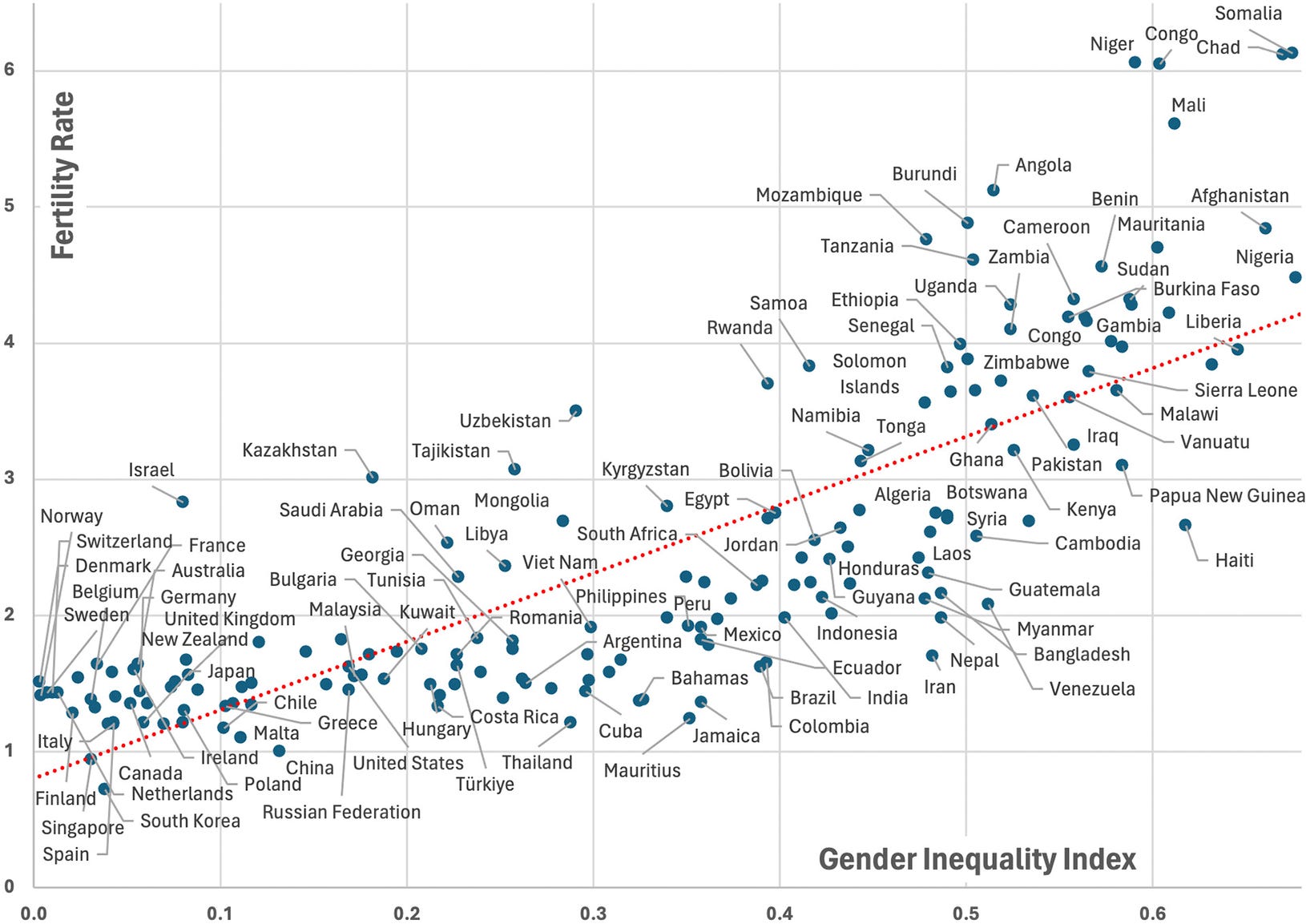
More Equality, Fewer Babies
Fact: Across countries, greater gender equality is associated with lower fertility. Theory: With greater freedom and material wealth, women become less dependent on men, and thus less likely to form pair bonds. Combine this with reliable contraception, and the fertility rate comes crashing down. [Link.]
The Missing 5’11” Men
Something strange is happening with self-reported height among men: There aren’t enough 5’11” men, and there are too many 6’0” men. Hmmm... [Link.]
![r/dataisbeautiful - [OC] Body Height Reported by U.S. Men](https://substackcdn.com/image/fetch/$s_!i8vf!,f_auto,q_auto:good,fl_progressive:steep/https%3A%2F%2Fsubstack-post-media.s3.amazonaws.com%2Fpublic%2Fimages%2F9fe57b24-9b3f-48d7-ac8a-82101c72a216_1240x815.png "r/dataisbeautiful - [OC] Body Height Reported by U.S. Men")
The Paradox of Upward Mobility
We tend to assume that people who are born poor and get rich will be more sympathetic to the plight of the poor than those who are born rich and stay rich. But it’s the other way around: Those who start out poor are less sympathetic. [Link.]
A Billion Years of Plate Tectonics
This incredible animation compresses a billion years of plate tectonics into just 40 seconds. We tend to think of land masses as stable - but they’re in constant motion. They just move a lot more slowly than us. [Link.]