



In Case You Missed It…
Welcome to the September 2026 edition of the N3 Newsletter Linkfest: a collection of links to papers and articles that grabbed my attention over the last month. In this month’s offering:
The latest findings from some of my favorite areas of psychology, including personality psychology, clinical psychology, behavior genetics, social psychology, and political psychology
Recent research on love, relationships, and the battle of the sexes - including who marries whom, and why men sometimes misread women’s interest
Why conspiracy theorists are so combative online, how genes linked to personality and ADHD also shape other traits, and how mental illness can shave more than a decade off your life
New findings challenging common beliefs such as that good schools improve students’ grades, that men underestimate how much sexual harassment women experience, and that teachers punish Black students more harshly than White ones
We’ll also ask: Does money buy happiness? Is Stockholm syndrome real? Does diversity make scientific teams more productive? And are universities more or less politically biased than people think?
You can access the complete collection of Linkfests here.
People Think They’re Hotter Than They Are
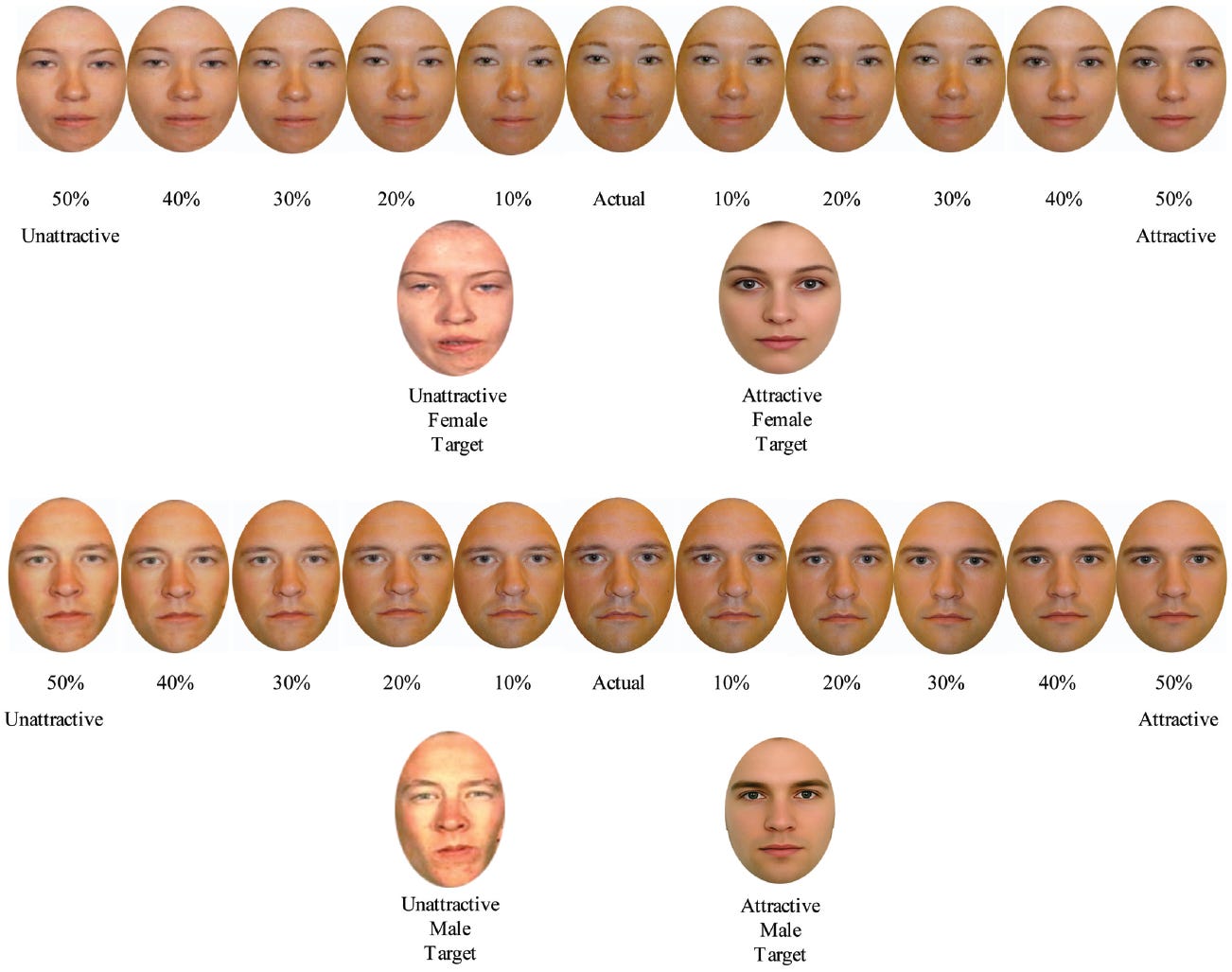
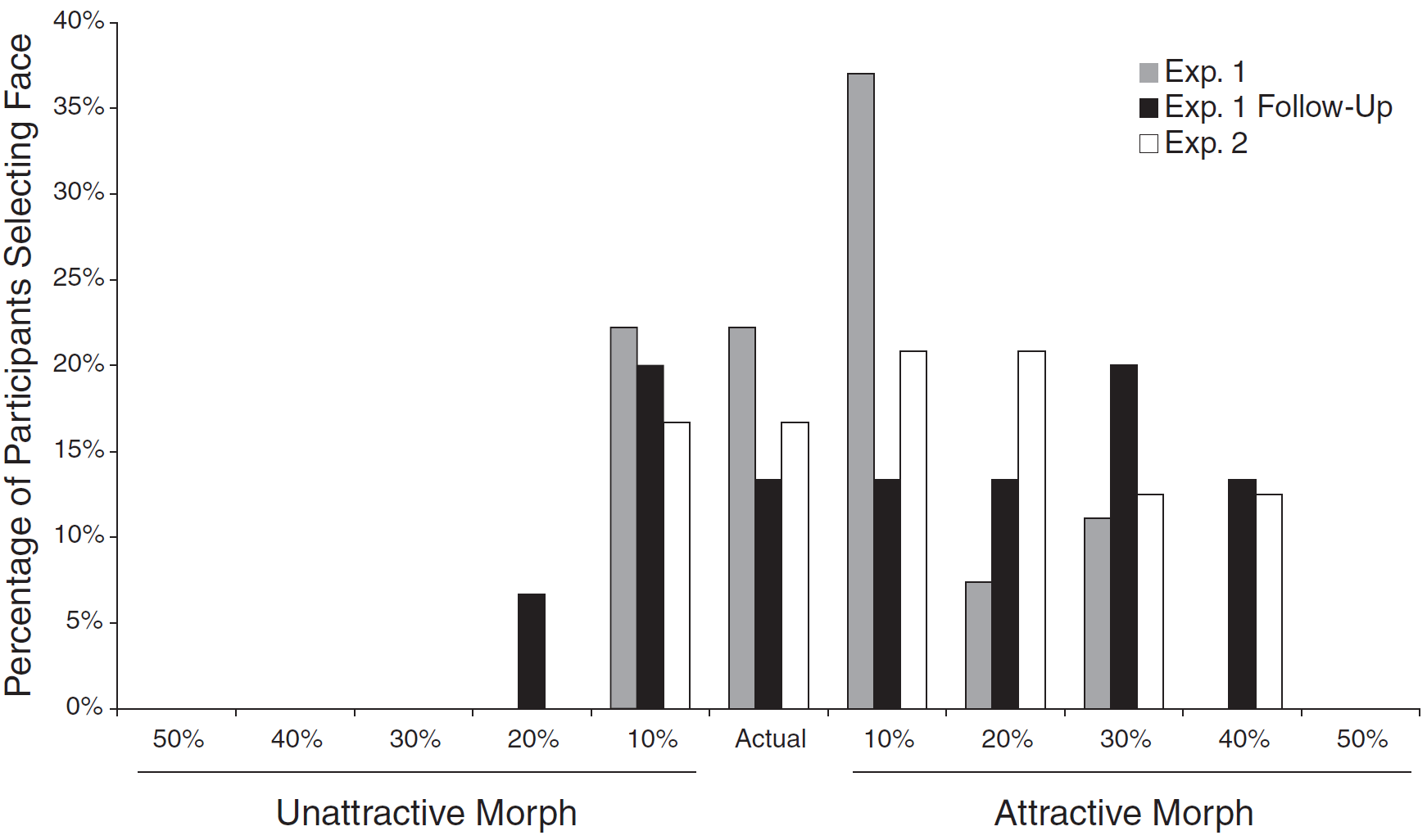
There’s a widespread belief that, because we’re constantly bombarded with superhumanly attractive actors and models in the media, most of us feel bad about our looks. Turns out that’s not the case: Most of us think we’re better looking than we actually are. The evidence? When asked to identify their own face in a lineup, people are more likely to select an attractively enhanced version of themselves than the real deal. [Link.]
Do Schools Make a Difference?
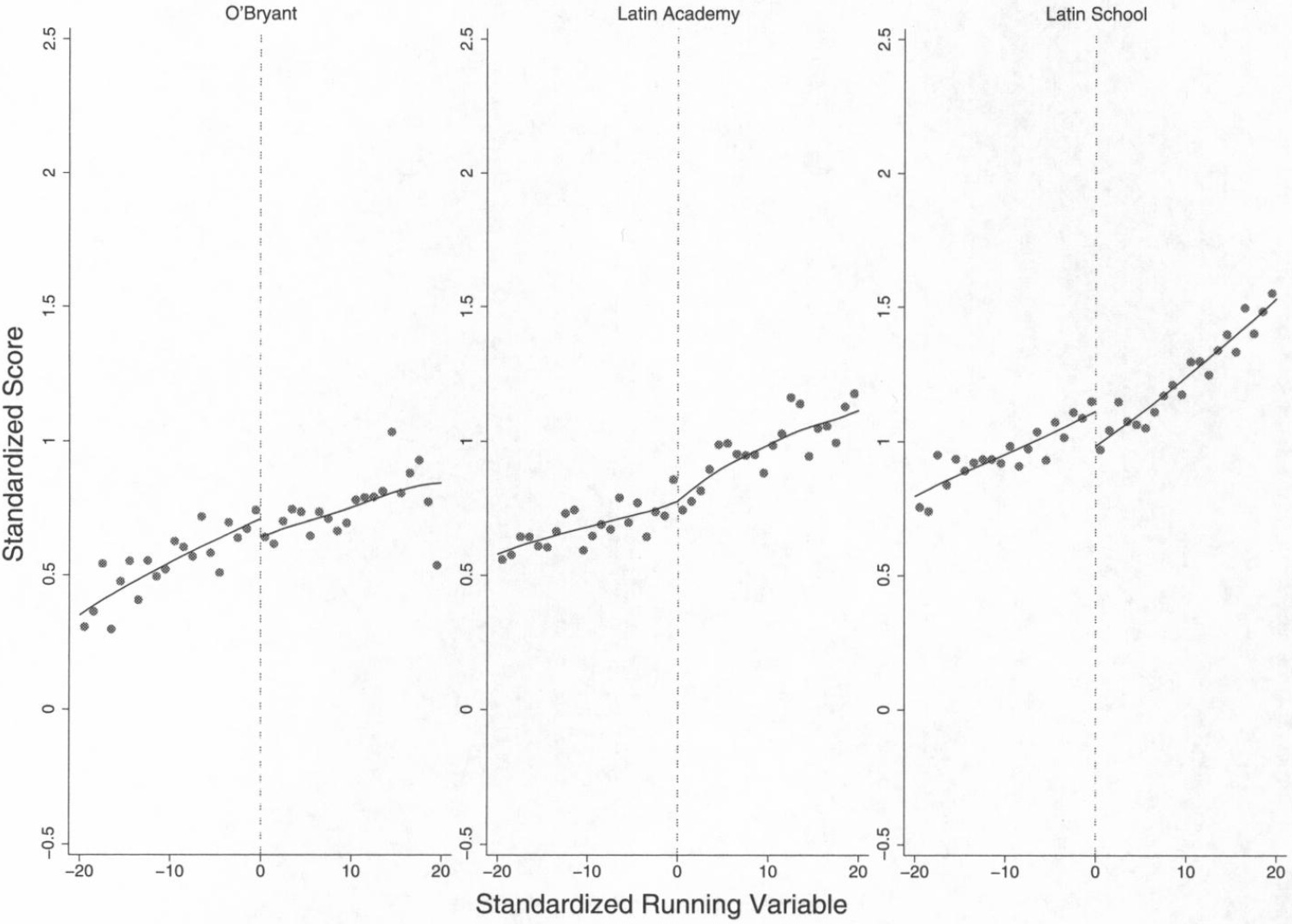
Parents go to extraordinary lengths to get their children into the best schools, surrounded by the brightest classmates. But the research suggests that students who narrowly gain admission to elite schools don’t perform any better than those who narrowly miss out. (See the graph below for a representative finding.) This suggests that elite schools’ impressive results largely reflect the students they admit, rather than the value they add. [Link.]
Birds of a Feather
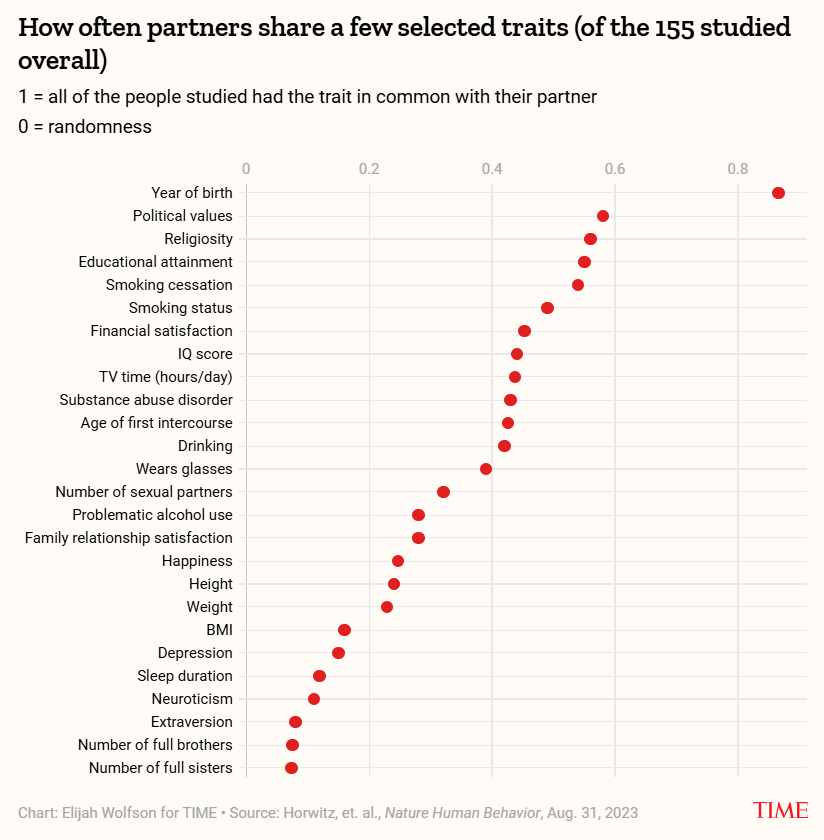
Romantic partners tend to resemble each other on a surprisingly wide range of traits, a phenomenon known as assortative mating. People match especially strongly on age, political views, religiosity, education, and smoking status. But they also match, to a lesser extent, on IQ, personality, happiness, height, weight, and even age at first sex. [Link.]
Like Marries Like - Even in Mental Illness
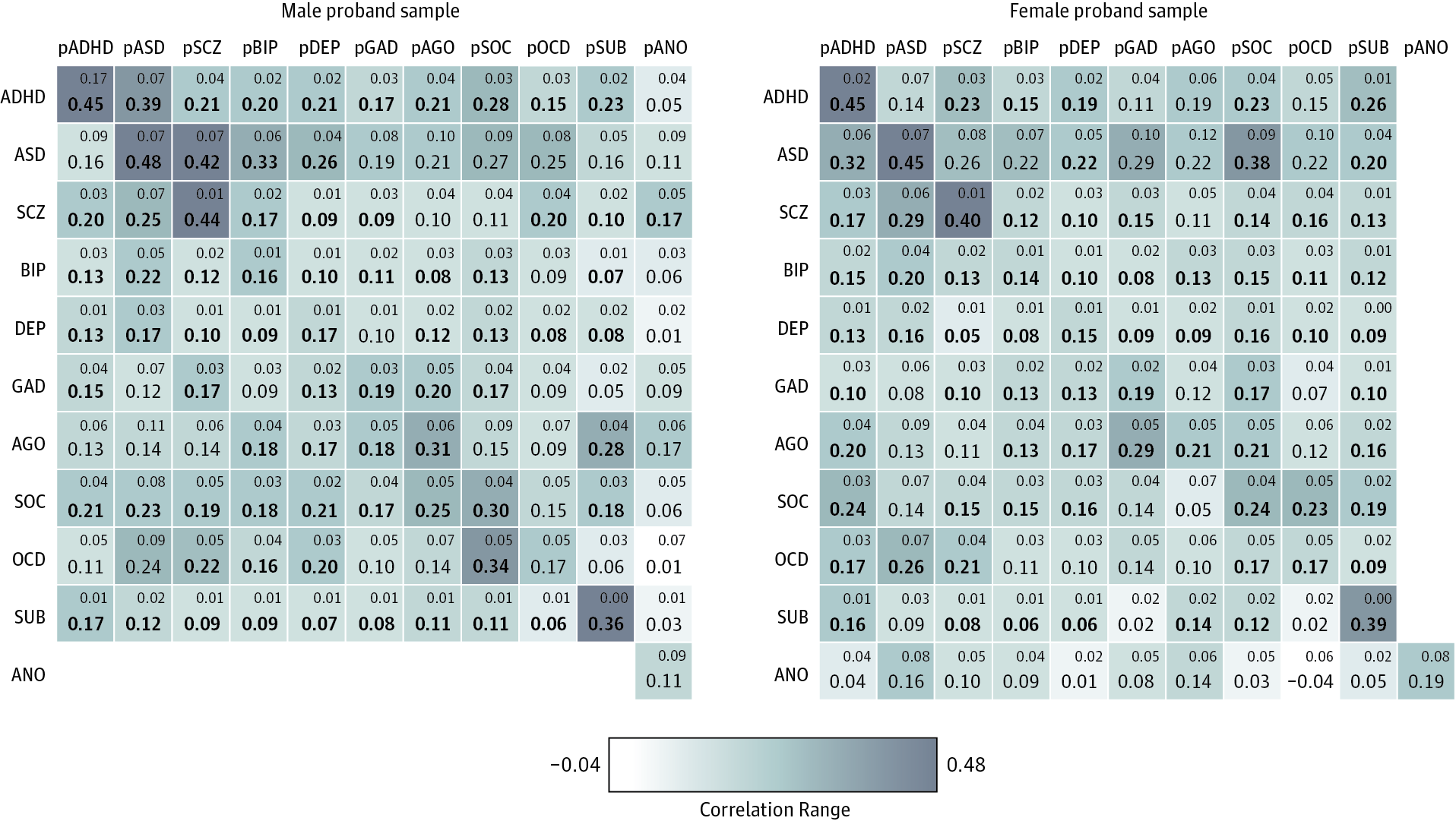
People with a psychiatric condition are more likely to have a partner who has one too - sometimes the same condition, sometimes a different one. This is the case for ADHD, autism, depression, schizophrenia, substance abuse, and many other diagnoses, according to a Swedish study of more than 700,000 affected individuals. [Link.]
Sexual Arousal and Misreading Women’s Interest
Sexual arousal can make men worse at judging whether a woman is interested in them. When aroused, men focus more on global sexual cues such as revealing clothing, and less on subtler emotional signals such as facial expressions. This makes them less likely to notice signs of rejection. [Link.]
Men Sometimes Overestimate How Often Women Are Objectified
New research reveals that men often assume that women experience sexual objectification more frequently than women themselves report. This challenges the common assumption that men routinely underestimate how much harassment women face. [Link.]
Why Male Victims Are Reluctant to Seek Help
Men are less likely than women to seek help in the wake of intimate partner violence. The main reasons include shame, seeing the abuse as a private matter, fear of retaliation, and concern that they won’t be believed. [Link.]