

A curious fact about research on sex differences is this: Everyone seems to think it supports their side.
In reality, the research regularly upends the assumptions of both the left and the right, the traditionalist and the progressive, the manosphere and the wokeosphere.
In this post, we’ll explore 12 new findings on sex differences that continue this tradition. We’ll look at evidence that women are sometimes more tolerant than men of political violence, and that sex differences in fundamental motivations are often larger, rather than smaller, in more gender-equal nations. We’ll ask whether the “extreme male brain” theory of autism holds up, and whether we really sympathize more with female victims. And we’ll explore manosphere myths about Giga Chads, progressive myths about online abuse, women’s reactions to catcalling at different ages, cross-sex mindreading errors, and the case for greater male variability as a driver of societal gender gaps.
Sex differences are sometimes uncomfortable, frequently misunderstood, and often politically fraught. But ignoring them doesn’t make them go away. And if we want to make the world a better place, our best bet is to make sure that our view of the world is accurate. Let’s get started.
1. A Surprising Sex Difference in Support for Political Violence
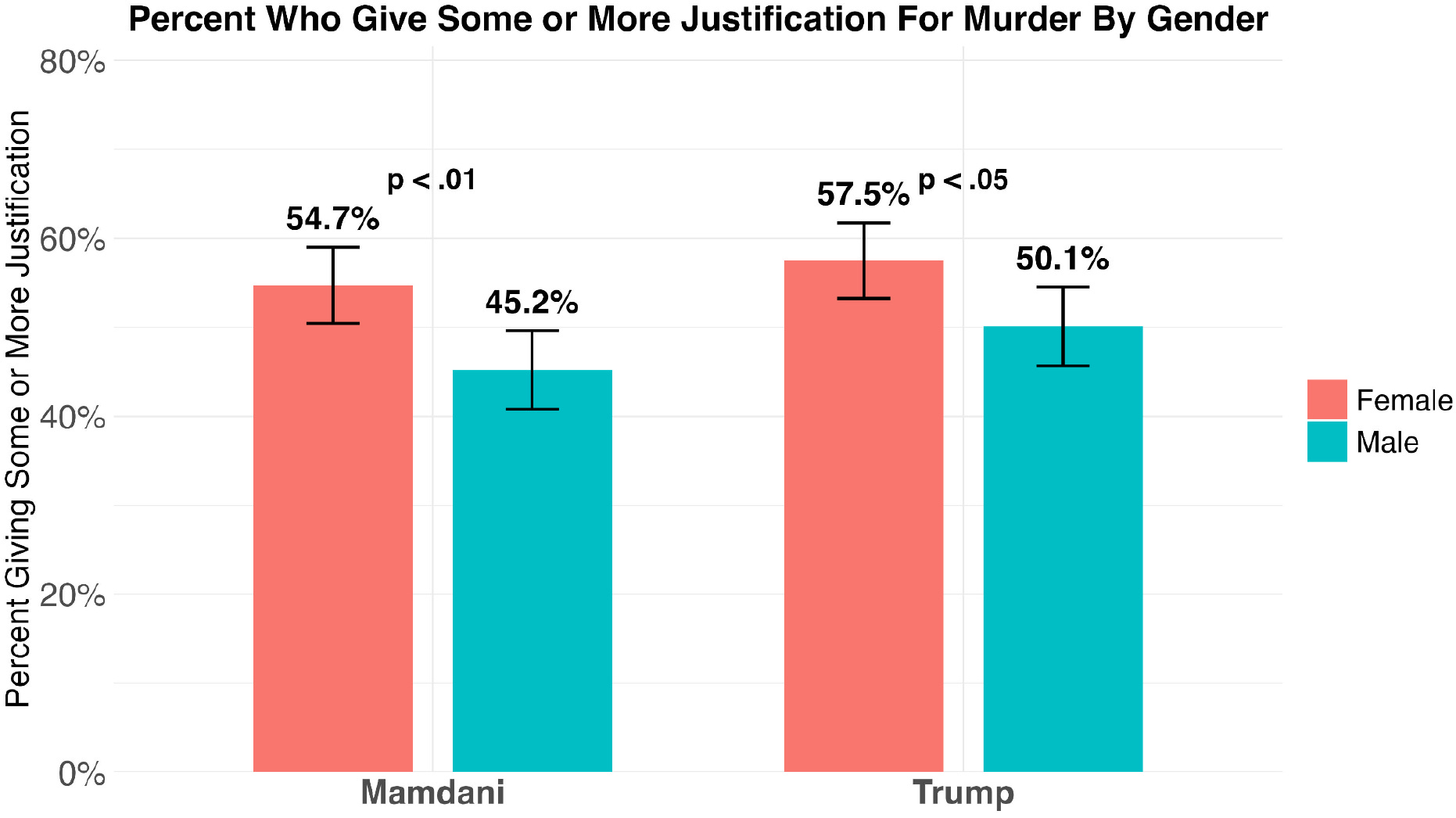
A recent US survey reports surprisingly high tolerance for political violence on both sides of the political spectrum - and an unexpected sex difference: Women are more likely than men to say murdering a politician is sometimes justified.
2. What Men and Women Want
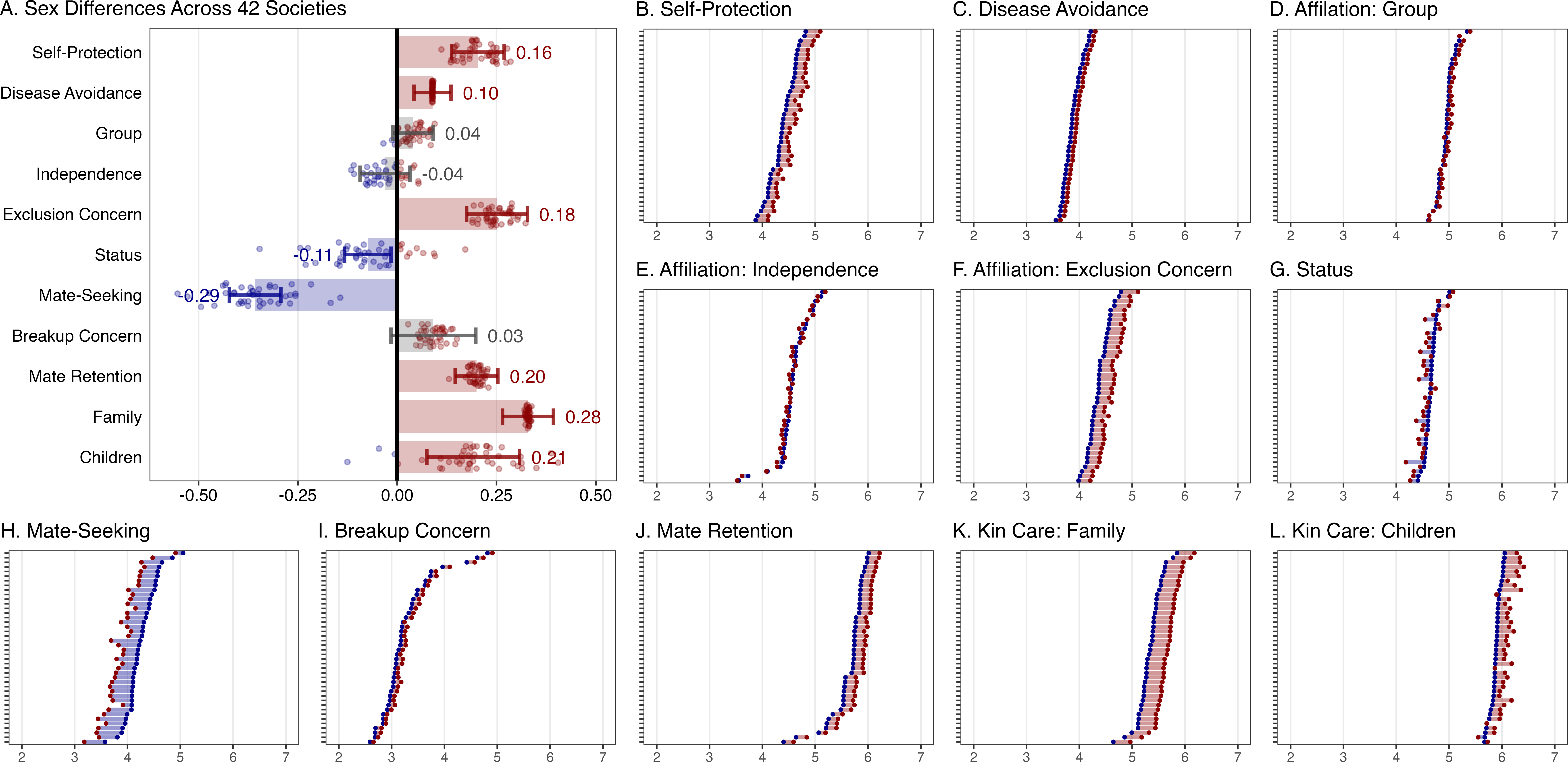
A new cross-cultural study explores sex differences in fundamental motivations in 42 societies around the world. As the graph below shows, women report stronger threat-avoidance, pair-bonding, and caregiving motives, whereas men report stronger status and mate-seeking motives. Strikingly, these differences persist - and in some cases, even widen - in more gender-equal nations: yet another example of the gender-equality paradox.