

Welcome to the June 2026 edition of the N3 Newsletter Linkfest: a collection of links to papers and articles that grabbed my attention over the last month. On the menu today…
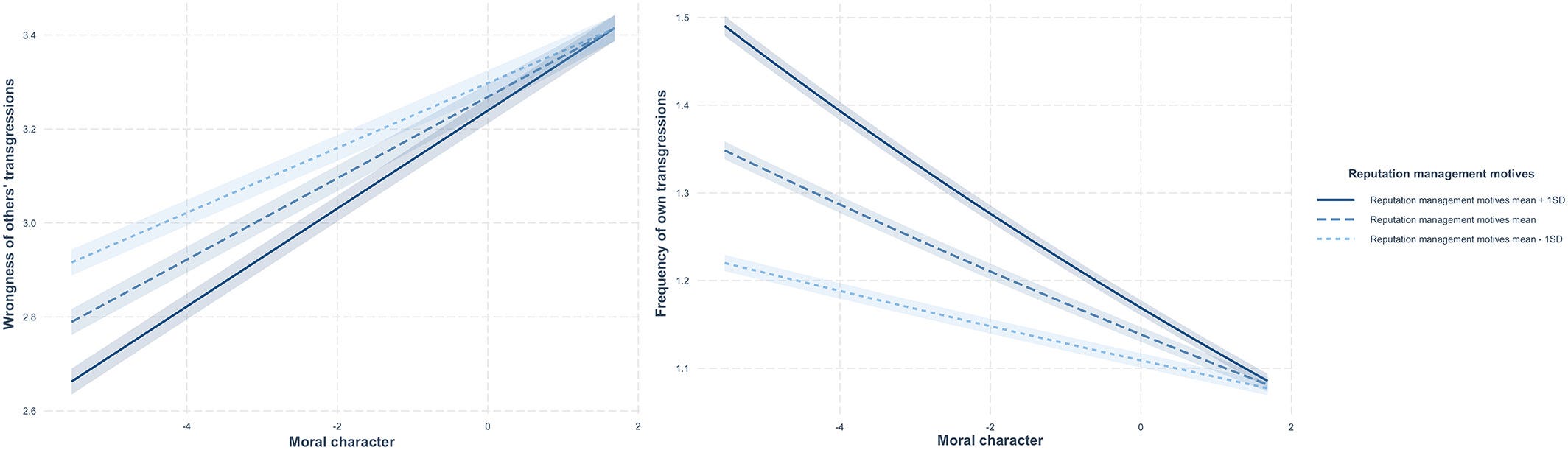
Why you should be wary of people who want to be seen as highly moral
How GLP-1s affect dating and employment
Casual sex and self-esteem in men vs. women
Homosexuality in rats
The surprising connections between mental and physical health
Around half the items are free to read for everyone; the rest are for paid subscribers only. I tend to put my spicier content behind a paywall, so if you’ve got a high spice tolerance, consider becoming a paid subscriber.
You can access the complete collection of Linkfests here.
Special Summer Deal
To celebrate the publication of my book A Billion Years of Sex Differences, I’m offering 20% off subscriptions to The Nature-Nurture-Nietzsche Newsletter for the next week. Redeem your special offer today!
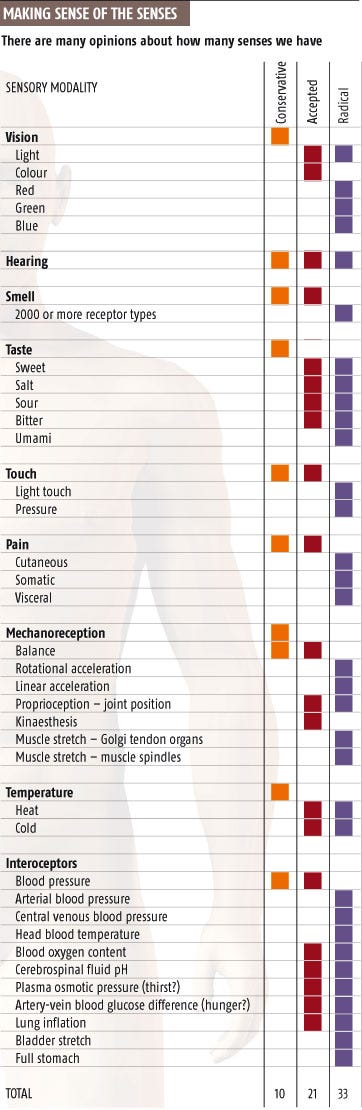
How Many Senses Do We Have?
Most people would say five - but according to many neuroscientists, we have a lot more than that. Depending on how we slice the cake, we might have ten, or maybe 21, or maybe 33. [Link.]
GLP-1s and the Female Obesity Penalty
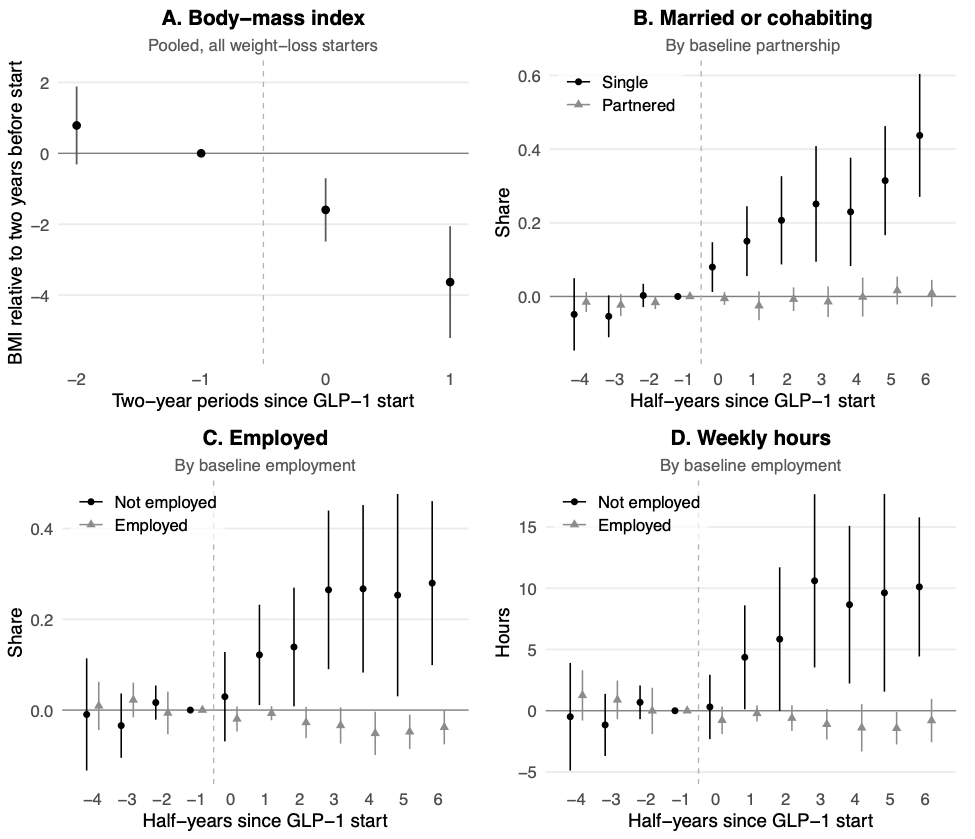
A new study suggests that weight loss can have effects far beyond health. Among women starting GLP-1s, single women were more likely to enter relationships, and unemployed women were more likely to find work. Women already in relationships or employment saw little change, suggesting that the “obesity penalty” operates largely through first impressions during the early stages of relationship formation or hiring. [Preprint; Link.]
Evolutionary Mismatch in the Classroom: Boys Are More Mismatched Than Girls
Why do more boys than girls struggle in the classroom? Part of it may be mismatch between the demands of school and boys’ evolved nature. To start with, boys are, on average, more physically active than girls and less suited to prolonged sitting and verbal instruction. As a result, they’re more likely than girls to be flagged as having behavioral difficulties. On top of that, schools often fail to capitalize on boys’ relative cognitive strengths in spatial and mechanical reasoning. [Link.]
Are Free Speech Advocates Secret Racists?
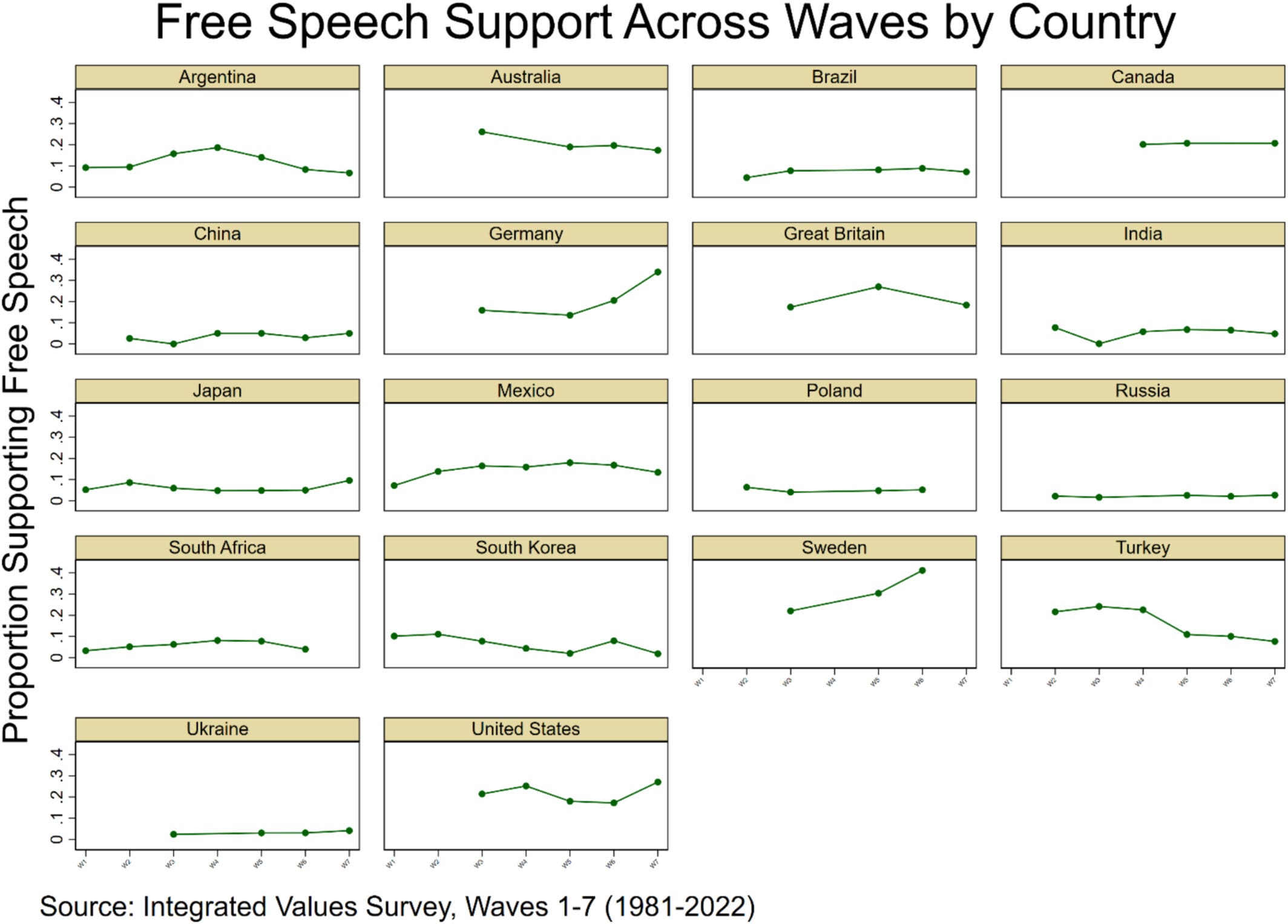
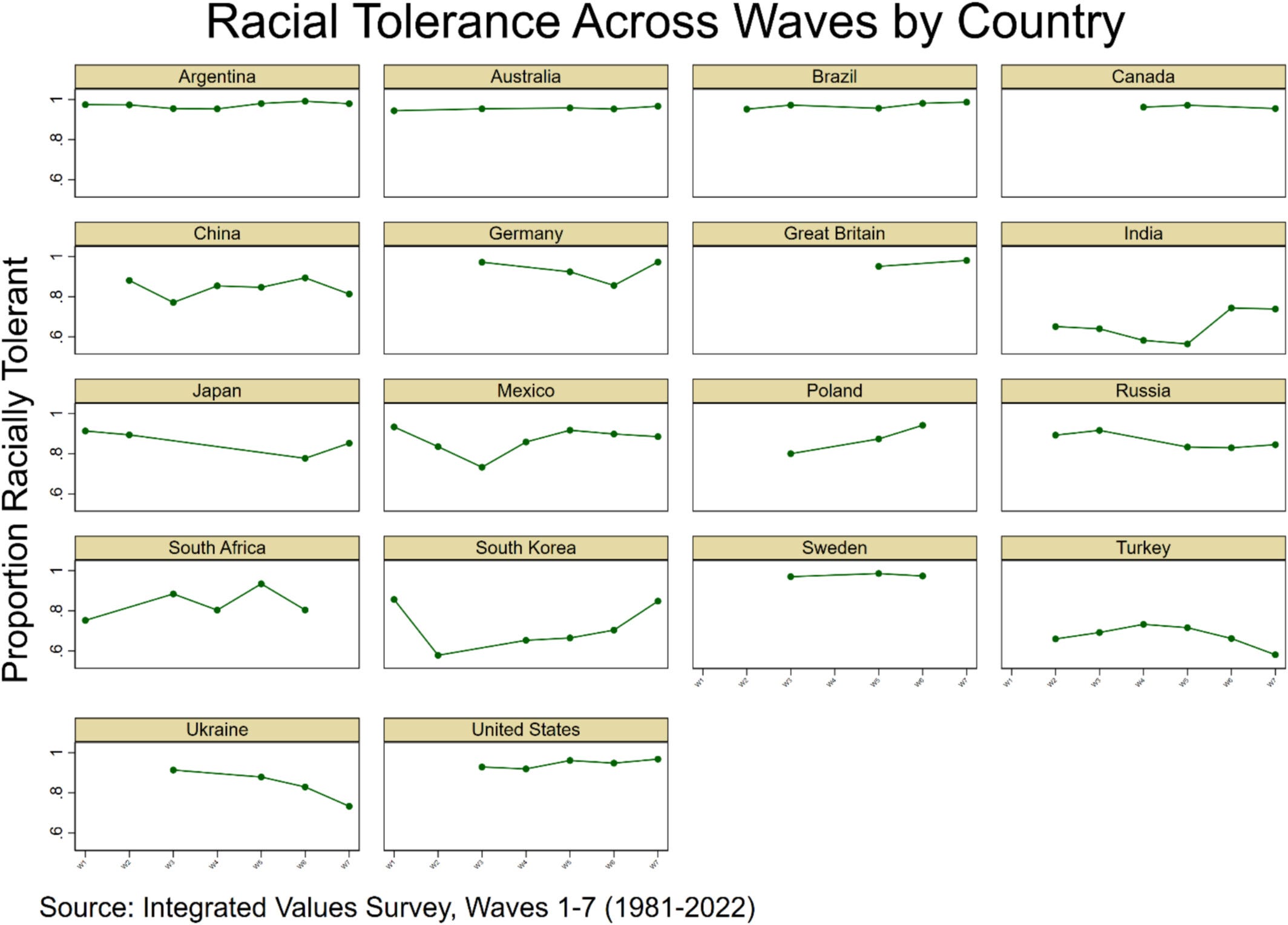
Nope. Across multiple datasets from multiple nations, people who placed more value on free speech were more likely to hold racially tolerant attitudes. This is consistent with the idea that free speech and tolerance spring from the same broader liberal ethos. [Link.]
The Ideological Turing Test
Can you describe your political opponents’ views well enough that they wouldn’t be able to tell whether you agree with them? If so, you’ve passed the “ideological Turing test,” an informal measure of how well you understand your opponents’ positions. According to new research, people who do better on this test - that is, people who understand their opponents’ views better - tend to be less hostile toward their opponents: They see them as less ignorant, less irrational, and less immoral. [Link.]
Do Men Earn More? If So, Which Ones?
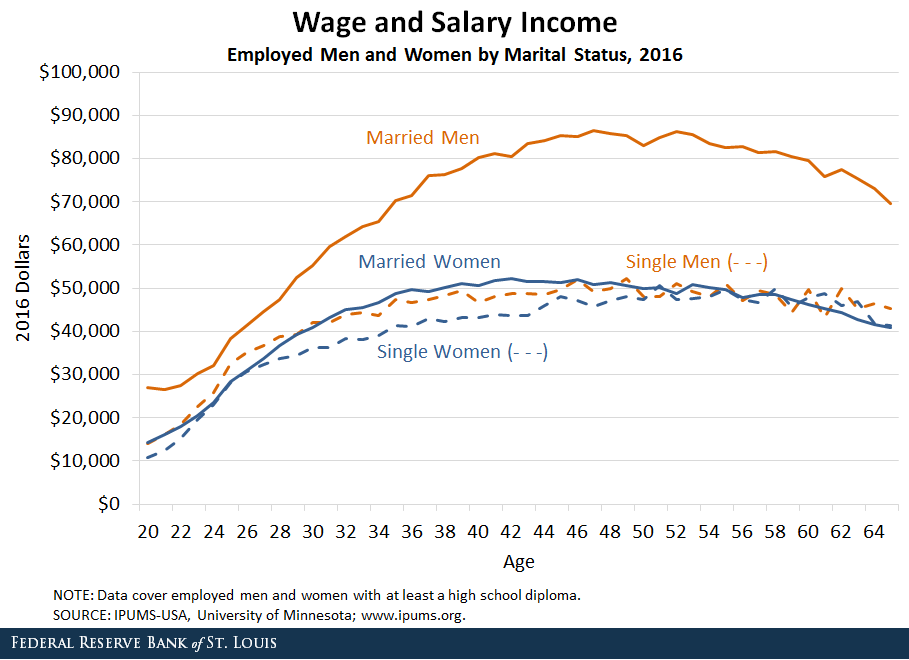
Everyone’s heard the claim: Men earn more than women. According to recent data, however, the generalization isn’t quite right. A more accurate formulation would be that married men earn more than women, and also than single men. Single men, in contrast, earn no more than women. Is this because men knuckle down when they marry, or because women are more likely to marry high earning men? It seems to be largely the latter. [Link.]
Women in Academia Do Just as Well - Until They Become Mothers
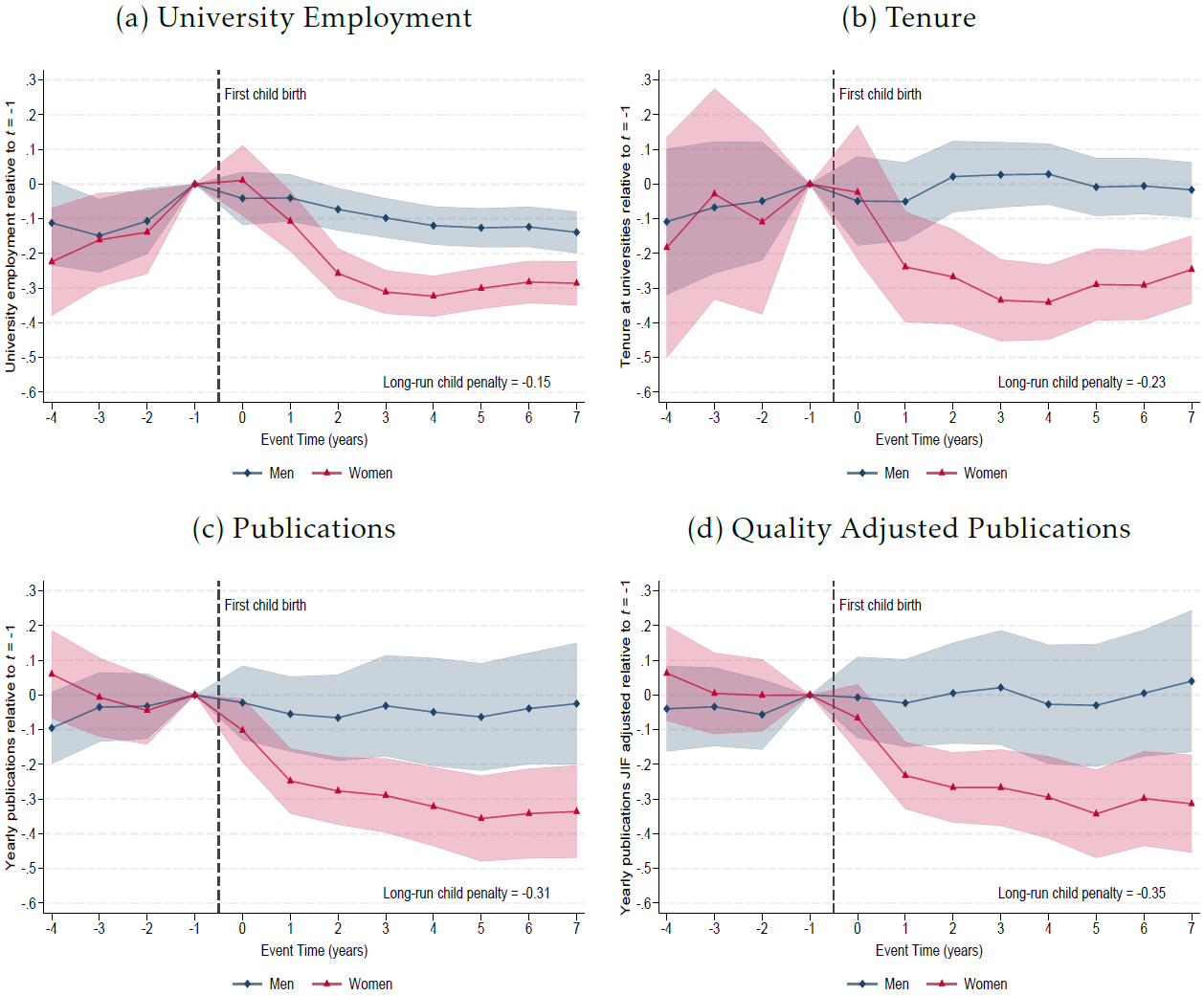
Before they have children, women do roughly as well as men in academia. Afterwards, however, women fall behind. What explains this pattern? Candidate explanations include that academia discriminates against mothers rather than women in general (seems unlikely); that despite considerable efforts to improve things, the demands of an academic career are still hard to juggle with motherhood (could be part of it); and that women’s priorities change after having children (seems like a plausible contributor). [Link.]
Moral Double Standards
People who want the world to see them as highly moral are more likely to judge others harshly, while turning a blind eye to their own moral failings. [Link.]