

Why does hearing a new album make you more likely to crash your car? Why are humans the only animals that cry? And why are today’s university students measurably less bright than yesterday’s? This month’s N3 Newsletter Linkfest provides answers to all three questions, plus much, much more:
The opposite of déjà vu
Sex differences in A-level choices
A $10 million dilemma
How money changes your personality
How AI can impair learning but reduce political polarization
How anti-racism can increase racism
New drugs that cause you to lose weight without eating less - or even actively boost muscle growth
Around half the items are free to read for everyone; the rest are for paid subscribers. I tend to put the spicier content behind bars, so if you’ve got a high spice tolerance, maybe consider a paid subscription. Check out the other benefits here.
You can access the complete collection of Linkfests here.
The Science of Ticklishness
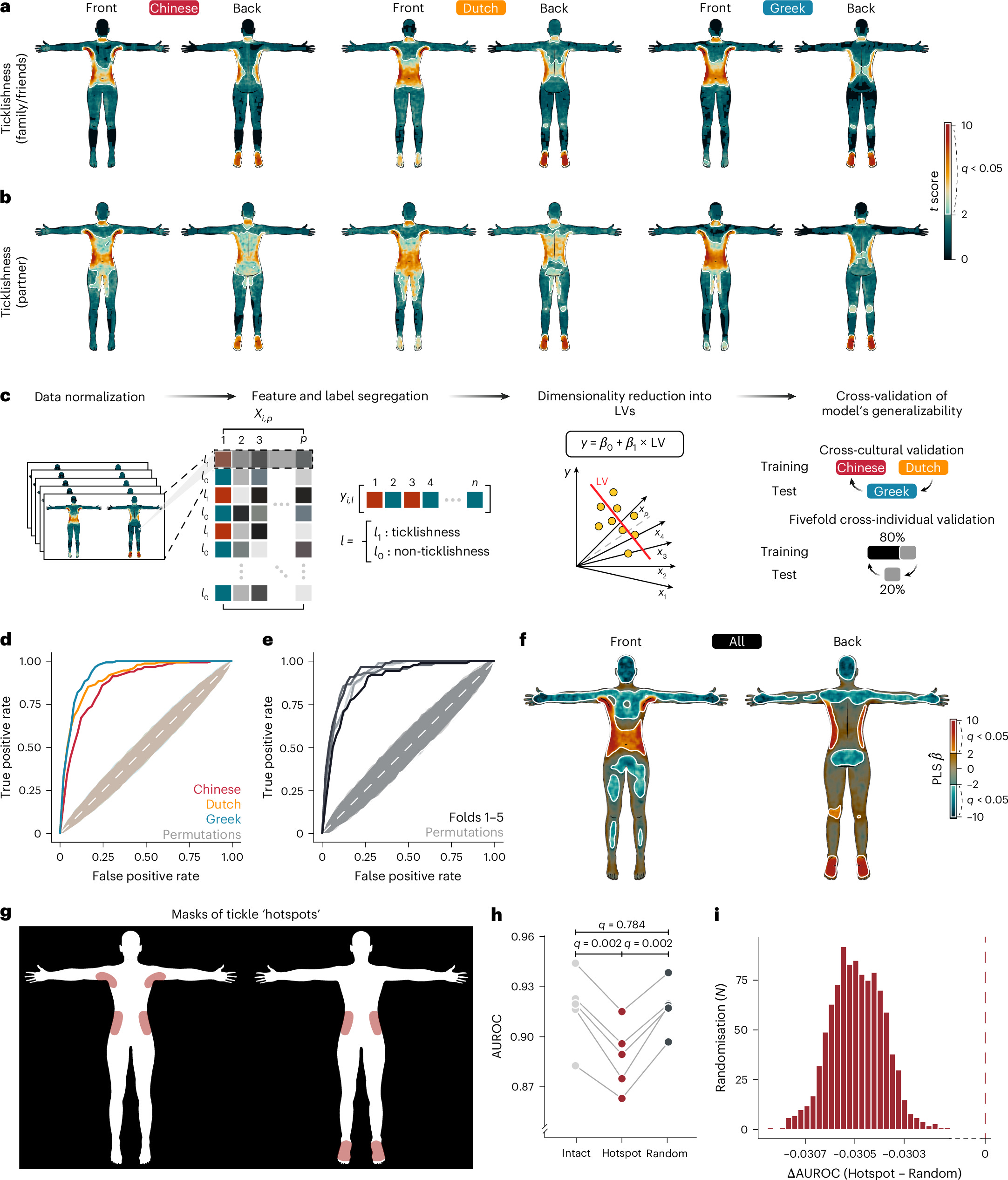
Here’s some recent research that’s not only interesting but useful. The figure below shows the most ticklish parts of the human body. Notice that the same body parts are ticklish for people from three very different cultures, hinting at the universality of the finding. Needless to say, this is crucial information for anyone planning a tickle attack - and as far as we can tell, you can use the same tickle strategy regardless of your victim’s cultural background. [Link.]
The Opposite of Déjà Vu
You’ve heard of déjà vu, but what about its opposite? Jamais vu happens when something familiar - a face, a place, or even a word - suddenly seems unfamiliar, strange, or wrong. You can often induce it by saying or writing the same word again and again until it seems like it couldn’t be real. [Link.]
The Declining IQ of University Students
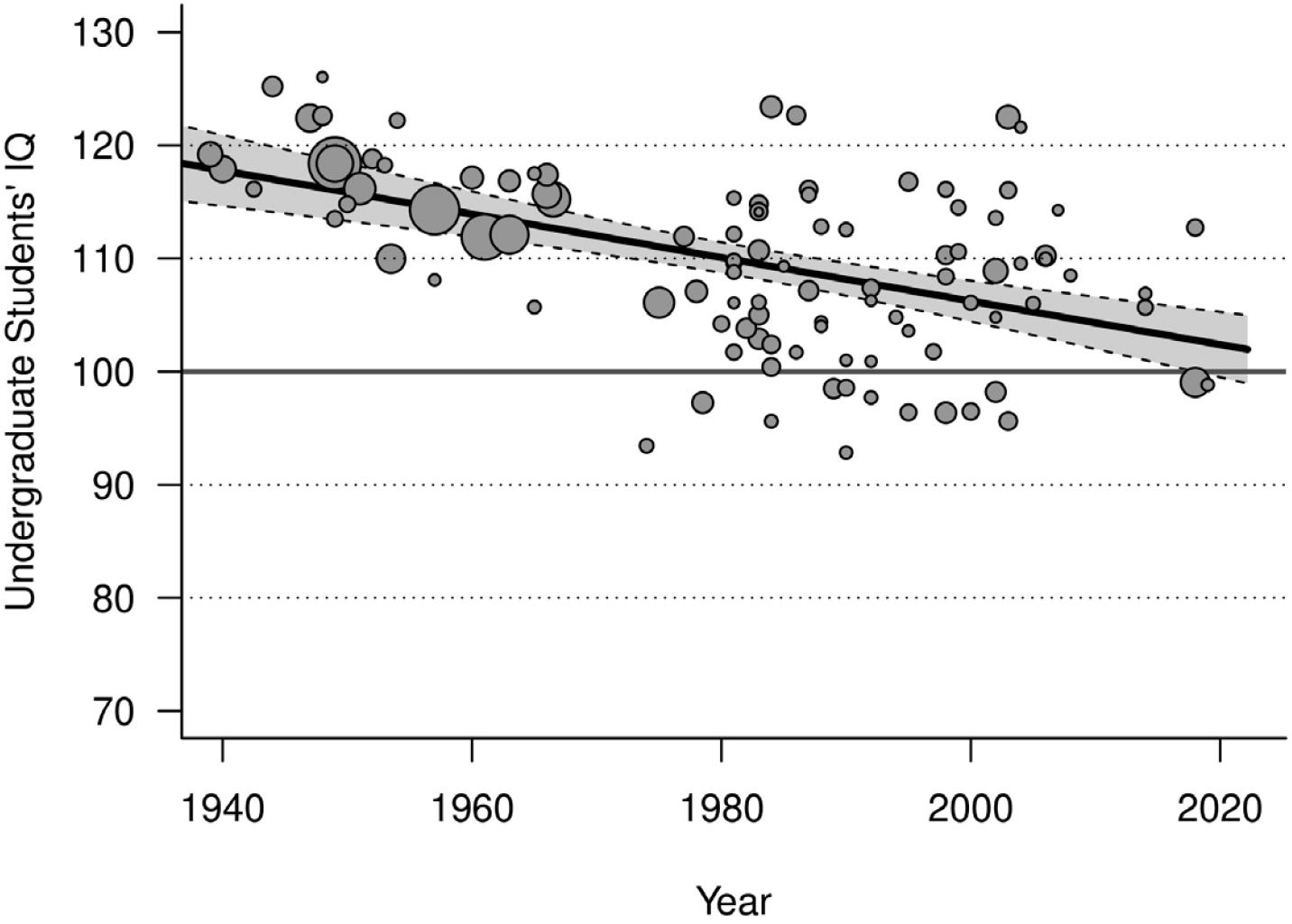
University students aren’t what they used to be, at least when it comes to IQ. As higher education has gone from an elite pursuit to something more common, the average IQ of US undergraduates has fallen from around 120 in the mid-20th century to around 102 today - barely above the population average. [Link.]
Sex Differences in Academic Interests
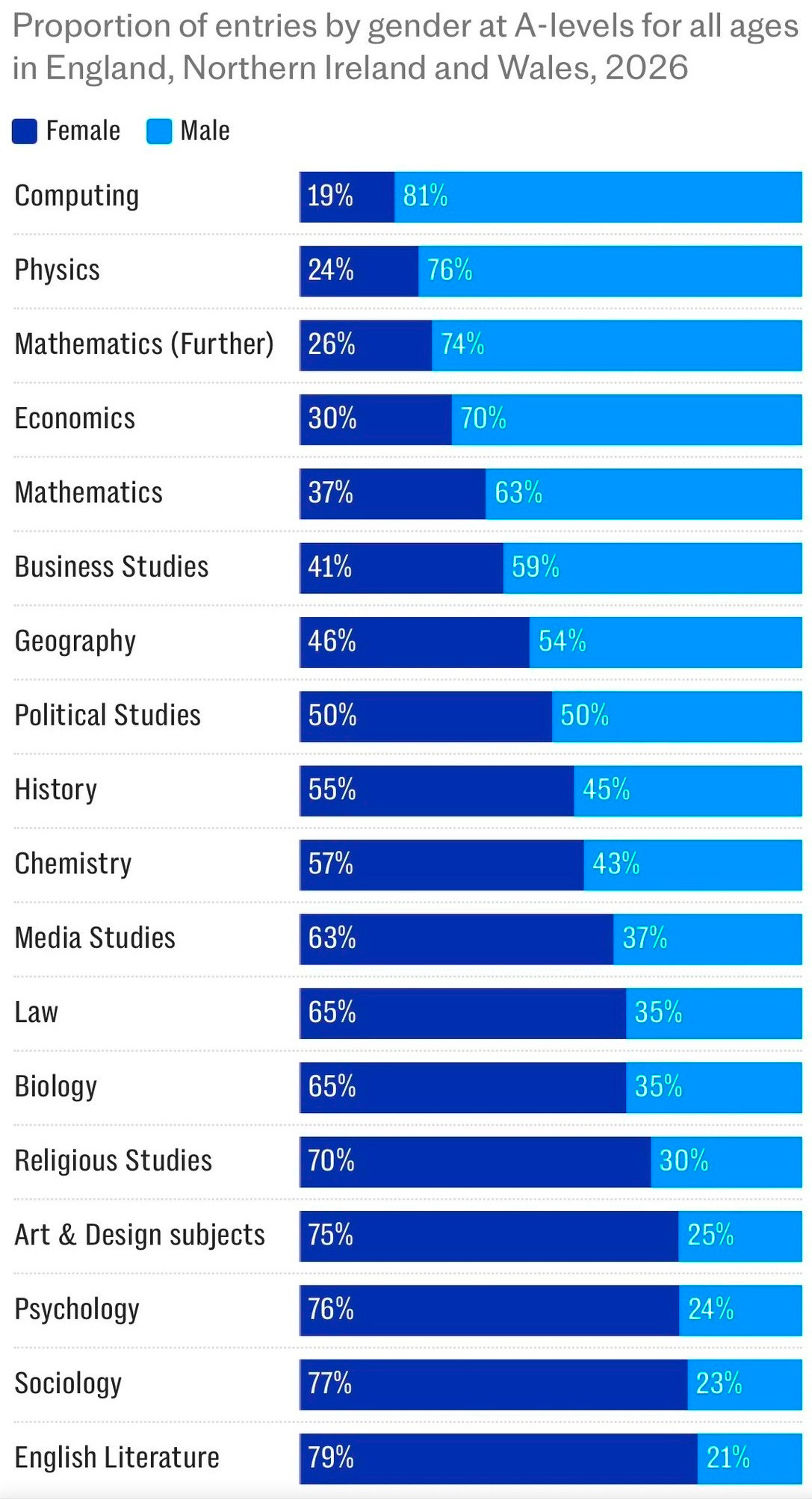
Boys and girls are interested in different stuff. This can be seen in the gender breakdown of A-level choices in the UK. Boys massively outnumber girls in computing, physics, further mathematics, and economics, whereas girls outnumber boys in English literature, sociology, psychology, and art. [Link.]
Guaranteed True Love or Ten Million in Cash?
Which would you choose? Give your answer in the poll below.
When 1,635 people from 38 countries were asked this question, they split almost perfectly down the middle: 50% chose love; 50% chose the money. At the same time, there were interesting differences by country, age, and occupation. [Link.]

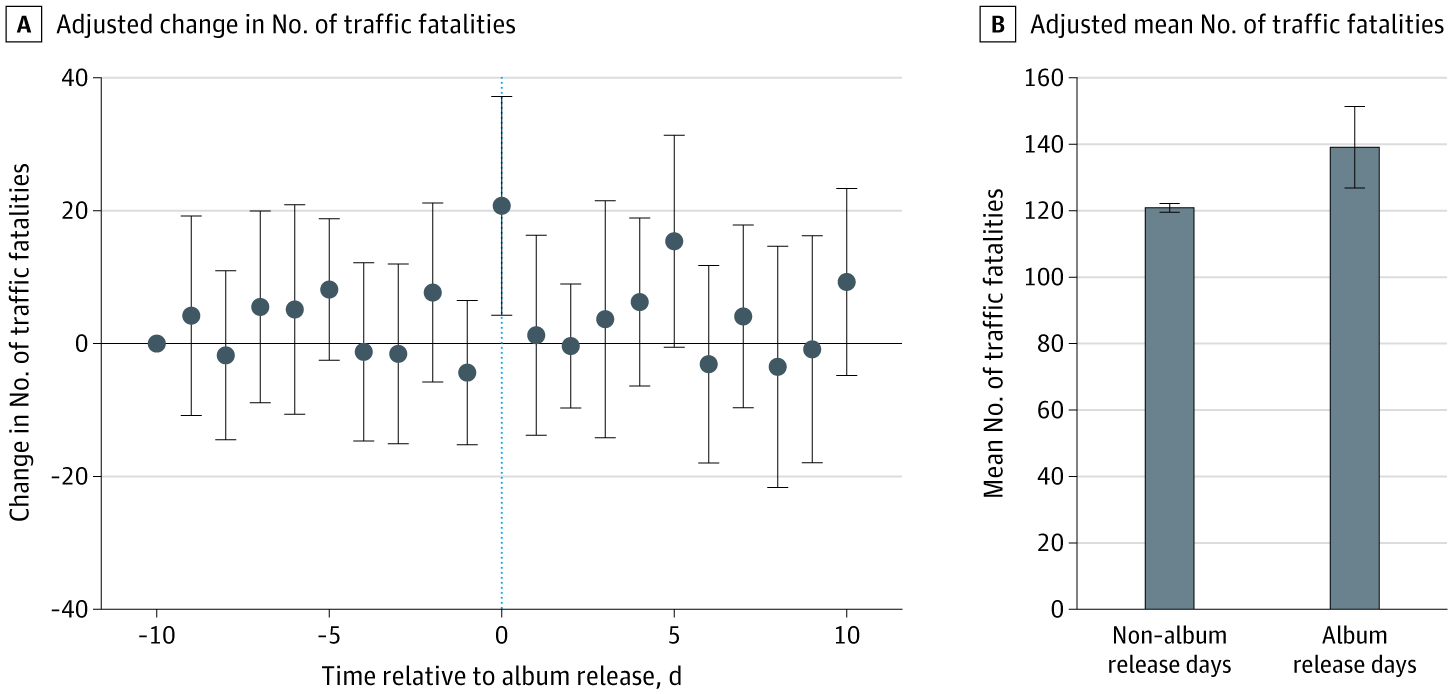
New Album Drops, Car Crashes Rise
The release of a major new album is associated with a 15% increase in fatal car crashes. A probable culprit is distracted driving: Finding and streaming unfamiliar new music may demand just enough extra attention to make driving notably more dangerous. [Link.]
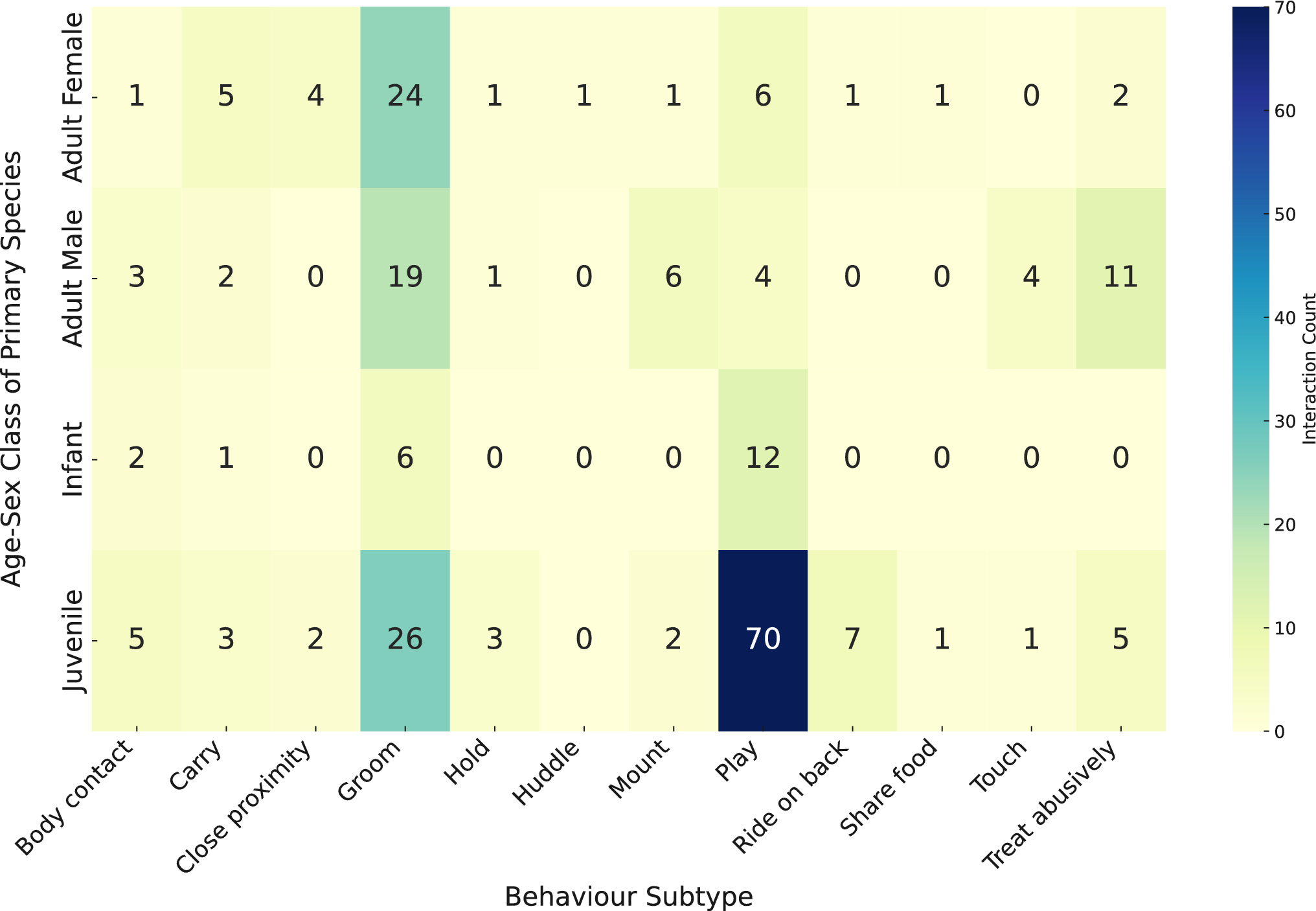
The Deep Primate Origins of Pet Keeping
Our furry monkey cousins sometimes interact with other species in ways that resemble human interactions with their pets: They play with them, groom them, cuddle them, nurse them, and even adopt them long-term. These interactions vary predictably by age and sex: Youngsters are more likely than oldsters to play with members of other species, females are more likely than males to care for them, and adult males are more likely than females or juveniles to ignore them or treat them aggressively. [Link.]