

In Case You Missed It…
The human mind is a remarkable piece of biological engineering. It’s capable of an astonishing range of feats like inventing calculus, composing rock operas, and putting spacecraft on other planets. But it’s also capable of an equally astonishing range of predictable reasoning errors. Psychologists call these cognitive biases, and they’re as common as the common cold.
In this post, I’ll outline 20 major biases that distort our judgments about evidence, ourselves, and the world. Once you learn about them, you’ll start seeing them everywhere: in politics, in the news, on social media - and occasionally even in your own thinking. (Mostly, though, in other people’s.)
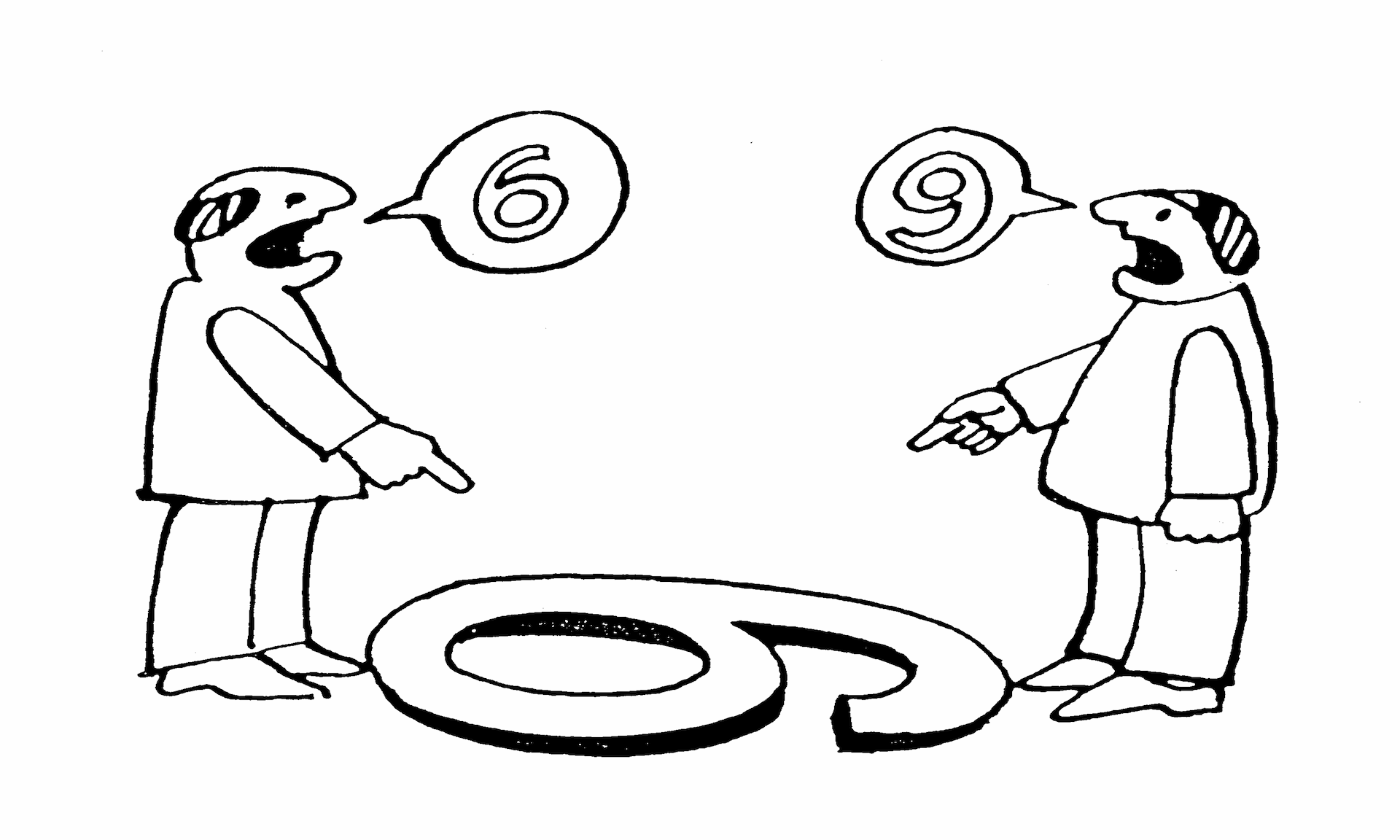
1. Confirmation Bias
“Ever since I learnt about confirmation bias I’ve started seeing it everywhere.”
—Jon Ronson
We seek out evidence consistent with our pet theories, and have a low threshold for accepting it. At the same time, we steer clear of evidence that clashes with our theories, and if we ever encounter it, we scrutinize it mercilessly. If you think coffee is good for you, you look for evidence of its health benefits; if you think it’s bad, you look for evidence of that. If you think minimum-wage laws have good effects, you pick out evidence and arguments to support that view; if you think they have bad effects, you do the reverse. We say we want the truth - but we act like we just want our current beliefs affirmed.
PS: In the post linked below, I discuss a fascinating paper arguing that confirmation bias underlies all other cognitive biases.

2. Motivated Reasoning
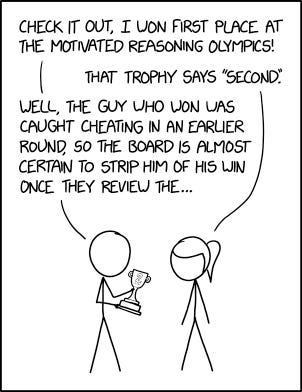
We don’t just seek evidence for views we already hold; we seek evidence for views we want to hold. Psychologists call this motivated reasoning; most people call it wishful thinking. You love chocolate, but you’ve always been told it’s bad for you. One day, however, you spot an article arguing that, contrary to popular belief, chocolate is an elixir of good health. Do you reject the claim due to confirmation bias? Maybe… but you might instead embrace it due to motivated reasoning.
3. The Better-Than-Average Effect
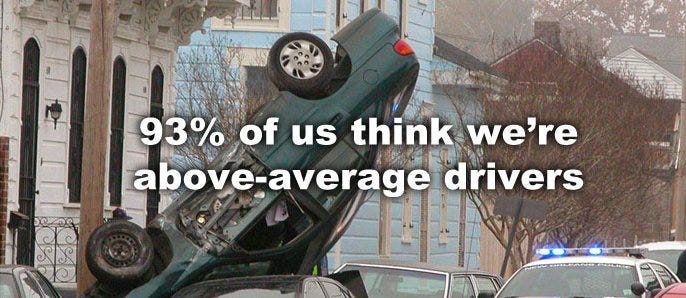
Most people think they’re better than average on every socially desirable trait: intelligence, honesty, sense of humor, you name it. The laws of logic dictate, however, that not everyone can be right about this. One of my favorite recent examples of the better-than-average effect is that most people believe they’d defy immoral orders from an authority, despite evidence from Stanley Milgram and others that most people simply obey them. My all-time favorite example, however, is that prisoners think they’re more moral, more dependable, and more trustworthy than non-prisoners - and even that they’re equally law-abiding.