



Welcome to the October 2026 edition of the N3 Newsletter Linkfest: a collection of the most interesting papers and articles I’ve stumbled across this month. On the menu today…
How celebrating women’s success can backfire
Why men and women go into different occupations (more evidence supporting my “controversial” paper on occupational sex differences)
When a pretty face takes the edge off a criminal record
Why females make worse romantic decisions when there are too many males to choose from (female frogs, at least)
A simple way to predict racist behavior that vastly outperforms the implicit-bias test
And we’ll ask: Which is more heritable: depression or suicidality? Can GLP-1 weight-loss drugs also curb addiction? And does inconsistent discipline make children more aggressive - or do aggressive children make discipline less consistent?
Around half the items are free to read for everyone; the rest are for paid subscribers only. I tend to put my spicier content behind a paywall, so if you want a taste of that, consider becoming a paid subscriber.
You can access the complete collection of Linkfests here.
How Women Make Men Dumber
Interacting with women temporarily dulls men’s cognitive abilities - especially when they find the woman attractive and are keen to make a good impression. Women’s abilities, in contrast, show no comparable decline after interacting with men. [Link.]

The Downside of Celebrating Women’s Success
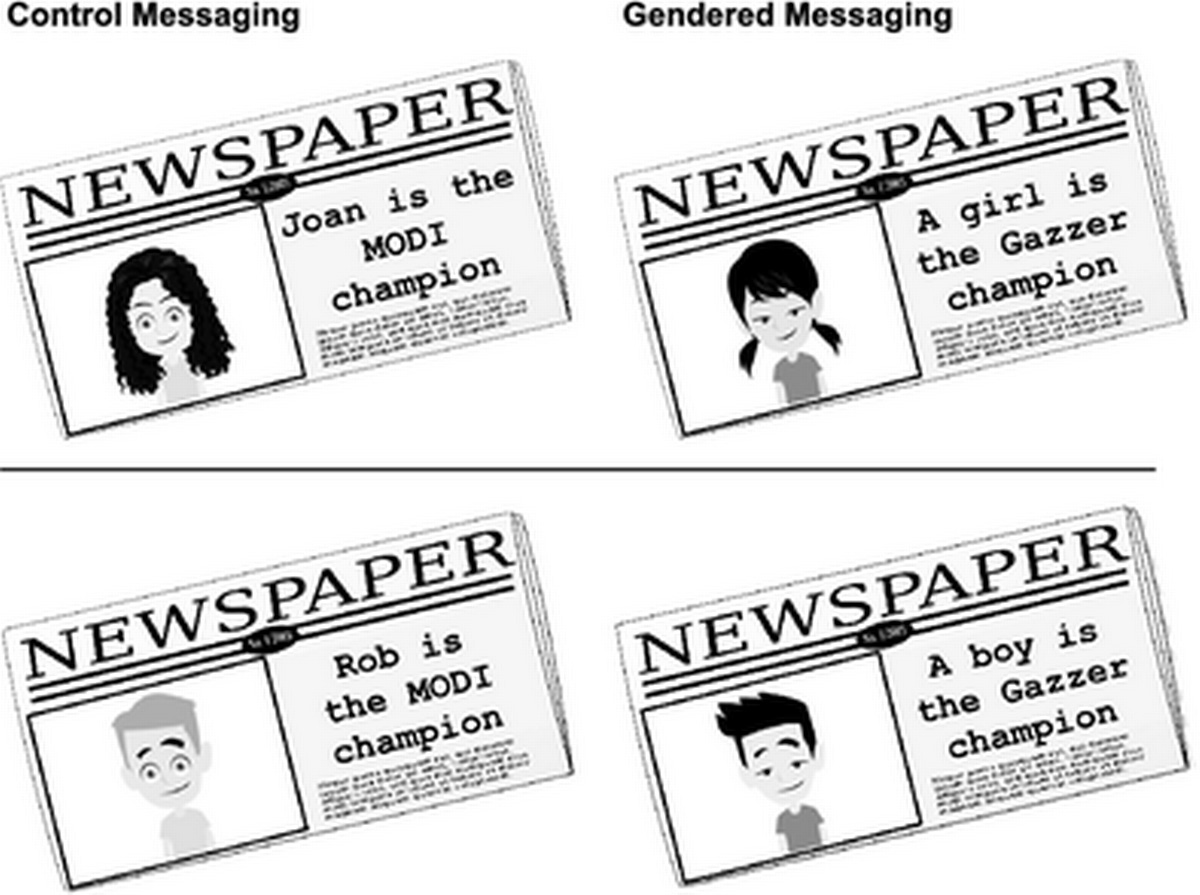
I’ve often wondered whether the popular practice of highlighting women’s sex when discussing their achievements could backfire. Not only does it seem somewhat patronizing, but it’s easy to imagine that people would infer from it that the achievements are atypical. Why else would we highlight their sex? A new study suggests that I might have been onto something. The researchers found that emphasizing a person’s sex when celebrating their success led both children and adults to infer that fewer people of that sex participate in the activity, and led adults to infer lower ability. It also reduced people’s interest in trying the activity themselves. [Link.]
Why Do Men and Women Gravitate to Different Jobs?
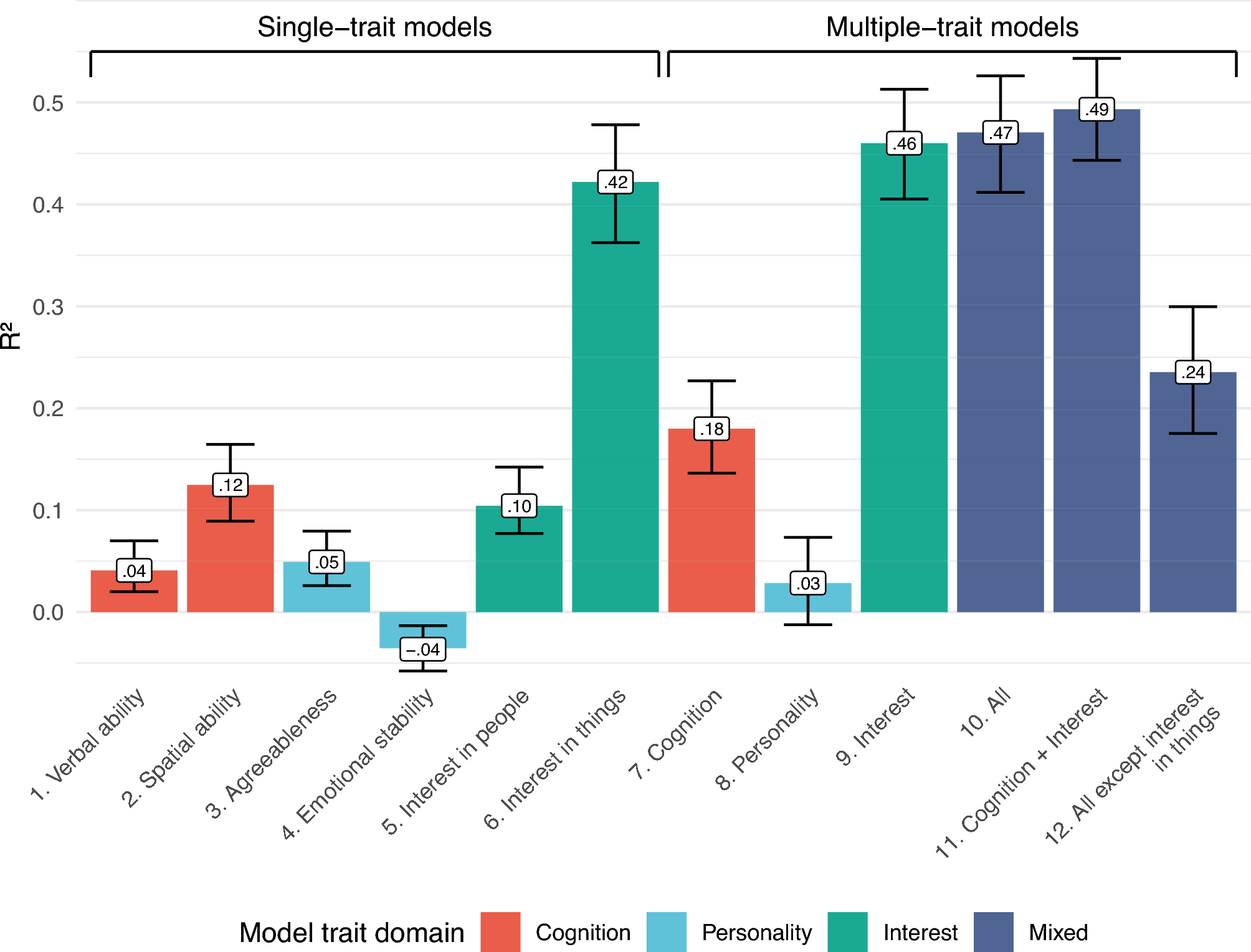
A new study of more than 2,000 people working in 429 occupations found that sex differences in interests and cognitive abilities jointly account for around half the variation in occupational sex ratios. The sex difference in interest in things was by far the strongest individual predictor, consistent with the idea that occupational gender gaps largely reflect average differences in men’s and women’s interests. Sex differences in cognitive abilities - including men’s modest advantage in spatial tasks and women’s modest advantage in verbal tasks - had much less impact. [Link.]

Three Fascinating Findings on Autobiographical Memory
Autobiographical memory is one of the hot topics in cognitive psychology, and Academic Press has just published a major edited volume on the subject. It’s called The Handbook of Autobiographical Memory, and my colleague Steve Janssen is one of the editors. Here are summaries of three chapters I found particularly interesting. [Link.]
1. We May Have Two Reminiscence Bumps, Not One
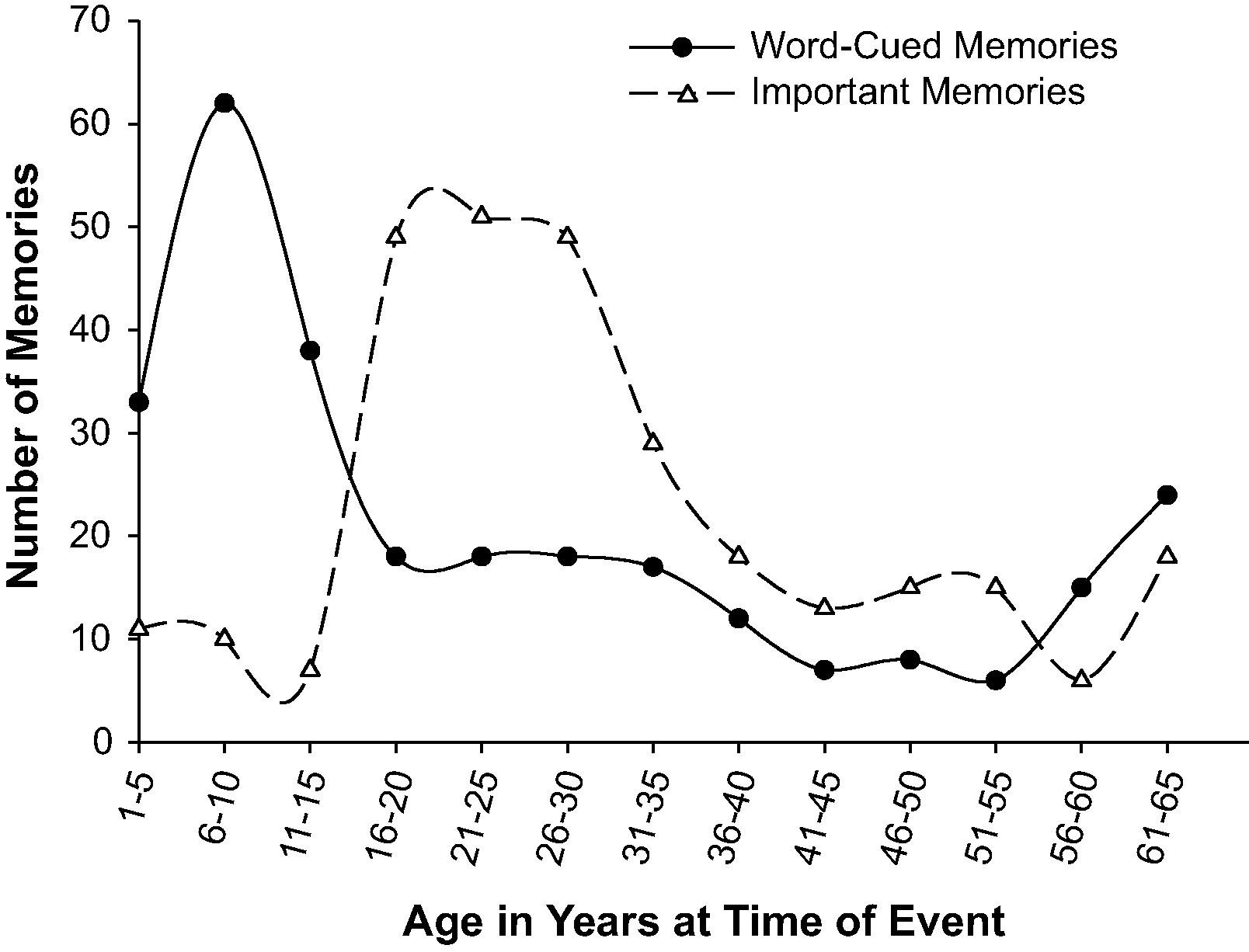
The reminiscence bump is the tendency for people to remember a disproportionately large number of events from their teen years and early adulthood. Curiously, the timing of the bump depends on how you measure it. If you give people cue words and ask them what memories come to mind, the peak comes in their teens. If you just ask them to recall important events in their life, the peak comes instead in their twenties. Based on this finding, Michele Anne and Steve Janssen argue that we have two reminiscence bumps rather than one - and that these bumps have different causes. The teen bump reflects peak memory encoding efficiency during adolescence; the twenties bump reflects the concentration of major life events in early adulthood. [Link.]
2. The Soundtrack to Who You Became
As with autobiographical memories, the music that means the most to us comes disproportionately from our teens and twenties. According to Catherine Loveday, that’s because these are the years when we’re working out who we are and forging our most important relationships - two processes that are often deeply intertwined with music. Are you the kind of person who likes punk or rap or K-pop? What were the tracks you bonded with friends over, or that take you back to your first love? Music’s emotional power helps cement the connections: We use it to navigate life’s highs and lows, and the feelings it evokes help lodge both the songs and the experiences in our minds. [Link.]
3. When the Cure Creates the Problem
Therapy can sometimes create exactly the kinds of problems it’s meant to cure. Lawrence Patihis and Henry Otgaar argue that recovered-memory scandals, the satanic panic, and the surge in multiple personality diagnoses follow the same script: Dubious theories spread among therapists and patients, then suggestion during therapy inadvertently creates false memories that “confirm” the theories. Consequences include false accusations, family estrangement, and worsening symptoms. People sometimes assume that this issue was put to rest following the “memory wars” of the 1990s. But belief in repressed memories persists to this day - and so do therapies aimed at recovering them. [Link.]
Manifesting Bankruptcy
People who believe in “manifestation” - that is, that success can be cosmically attracted through positive self-talk, visualization, and acting like your goals have already been achieved - are more likely to have gone bankrupt. [Link.]
Does Bad Parenting Cause Aggression - or Vice Versa?
Inconsistent parental discipline is linked to greater aggression in children. But does the former cause the latter? It seems not. A new behavior-genetics paper finds that much of the link is due to genetic confounding: The same gene variants associated with inconsistent parental discipline are also linked to childhood aggression. Moreover, to the extent that the link is environmental, it seems that children’s aggression leads to inconsistent discipline, rather than the other way around. [Link.]