

In Case You Missed It…
Welcome to the March 2026 edition of the N3 Newsletter Linkfest: a collection of papers, articles, and curiosities that grabbed my attention over the last month. On the menu today…
How prenatal testosterone shapes sexual orientation
Humans as natural-born liars
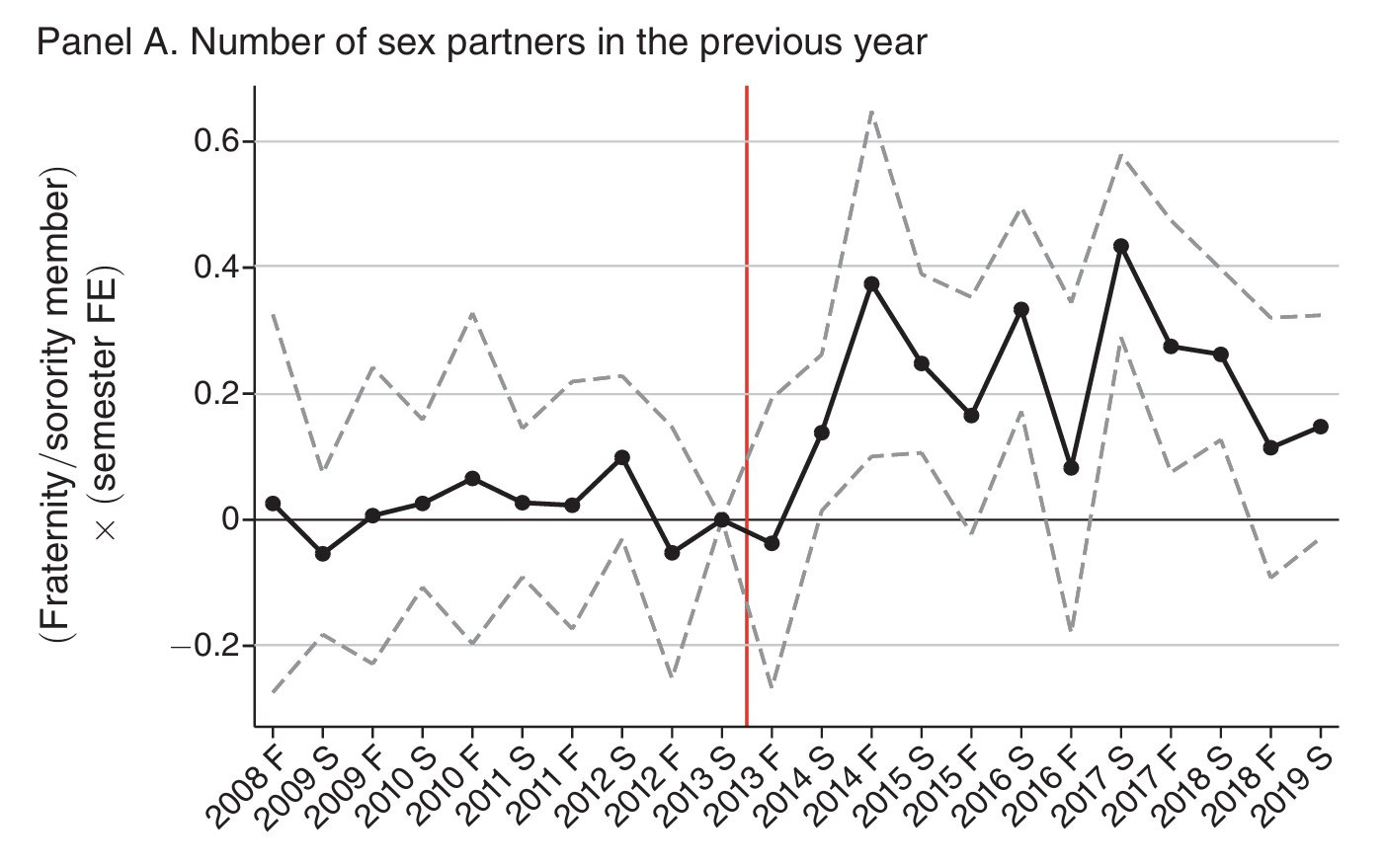
How Tinder changed the dating world
Sex differences in the womb, in early childhood, and after puberty
The psychology of free speech vs. speech suppression
Weighing the evidence for the lab-leak vs. natural spillover hypotheses
You can access the complete collection of Linkfests here.
Prenatal Testosterone and Sexual Orientation
A new meta-analysis canvassing more than 200,000 participants concluded that lesbians are typically exposed to higher levels of testosterone in the womb than straight women, whereas gay men are typically exposed to lower levels than straight men. These conclusions were based on comparisons of people’s 2D:4D ratios - that is, the ratio of index-finger length to ring-finger length. Lower 2D:4D ratios are thought to correlate with higher prenatal T. [Link.]
Update (15 April 2026): For a failure to replicate this finding, see here.

Who’s Most Prone to Positive Illusions?
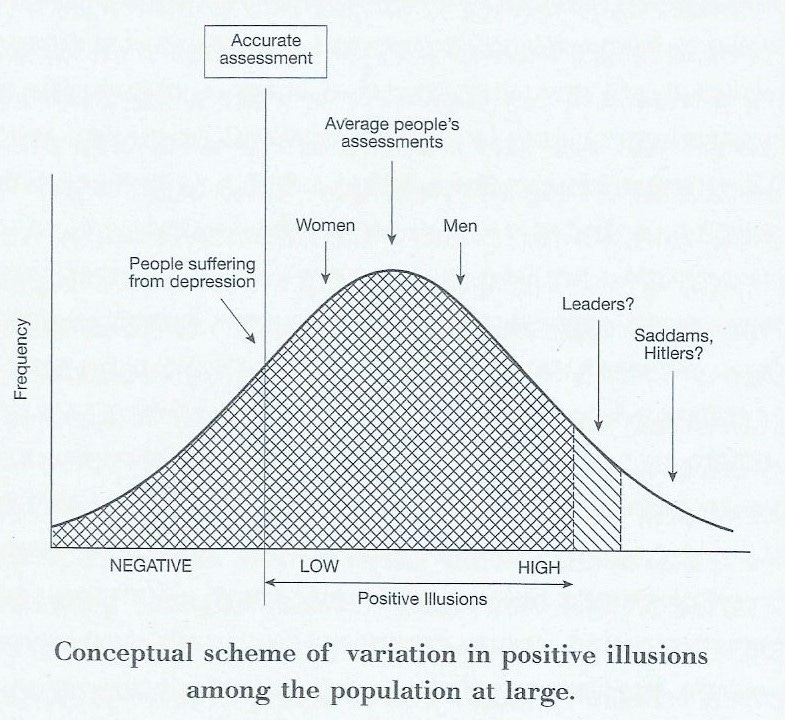
When I was researching my recent post “20 Cognitive Biases That Are Messing Up Your Mind,” I came across the following fascinating graph. It summarizes the key findings on positive illusions - that is, self-enhancing cognitive biases such as the better-than-average effect, the illusion of control, and the optimism bias. Among other things, we see that most people exhibit a moderate level of positive illusions, with only a minority exhibiting extremely high levels or negative illusions; that men are more prone to positive illusions than women; and that people who are mildly depressed are less prone to positive illusions than non-depressed people - a phenomenon known as depressive realism. [Link.]

The Lying Animal
“Honesty is the best policy – unless, of course, you are an exceptionally good liar.”
—Jerome K. Jerome
Deception is one of the hallmarks of our species. The evolutionary biologist E.O. Wilson once wrote that “Human beings are unique in the degree of their capacity to lie to other members of their own species.” Here are two recent findings on the topic.
Children start engaging in deception early in life, and develop the skill rapidly. By 10 months of age, one in four infants employs simple deceptive tactics such as hiding toys or ignoring parents, and by three years of age, nearly all kids are capable of outright lying. [Link.]
People tend to think they’re pretty good at detecting deception, but actually they’re pretty terrible. And so are the tools we’ve invented to help us do it! After more than 50 years of research and development, lie detector tests are still deeply unreliable to the point of being worthless… but people still use the damn things. [Link.]

Numbers
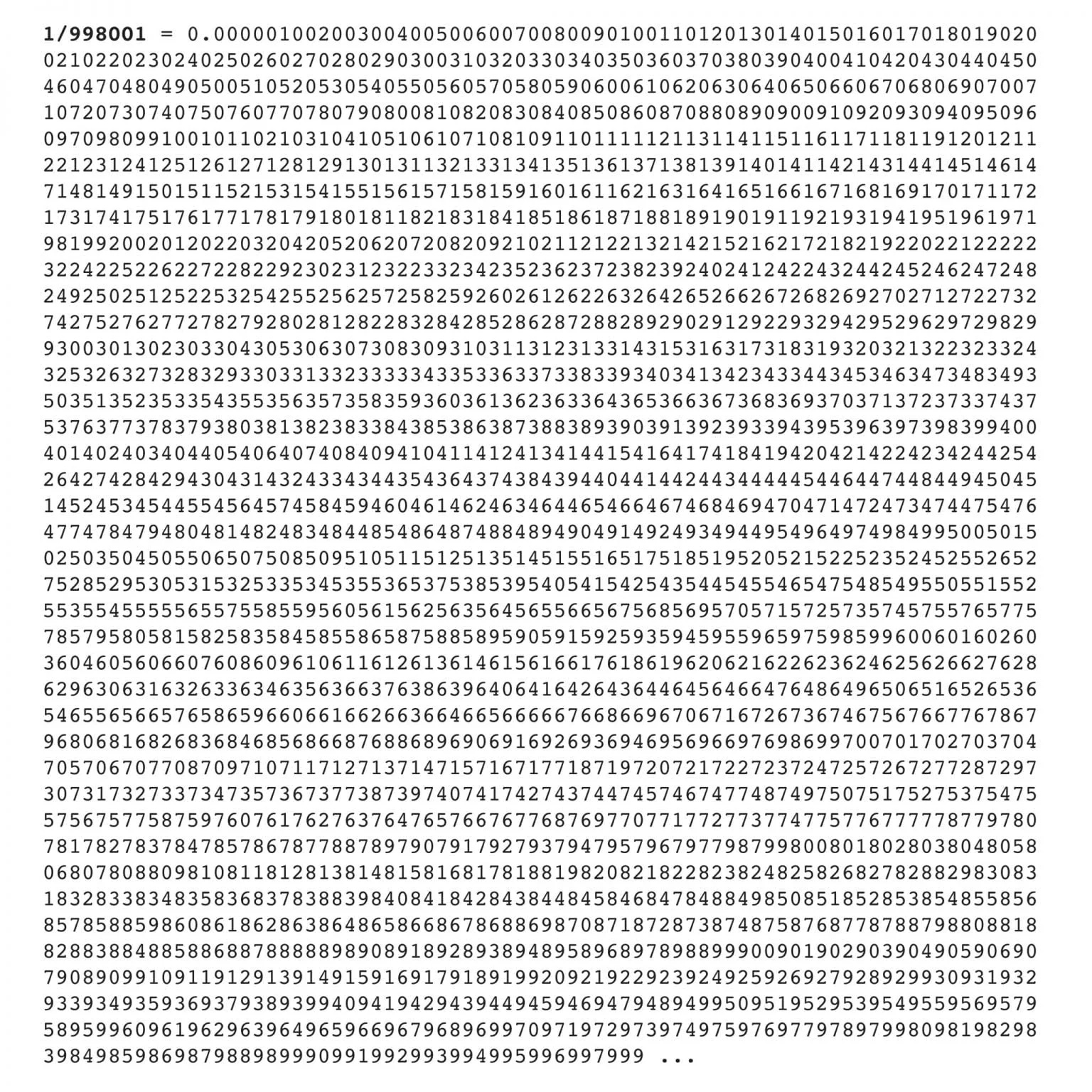
This is cool: If you divide 1 by 998,001, you get every three-digit number from 000 to 999 in sequence - except 998. [Link.]
Words
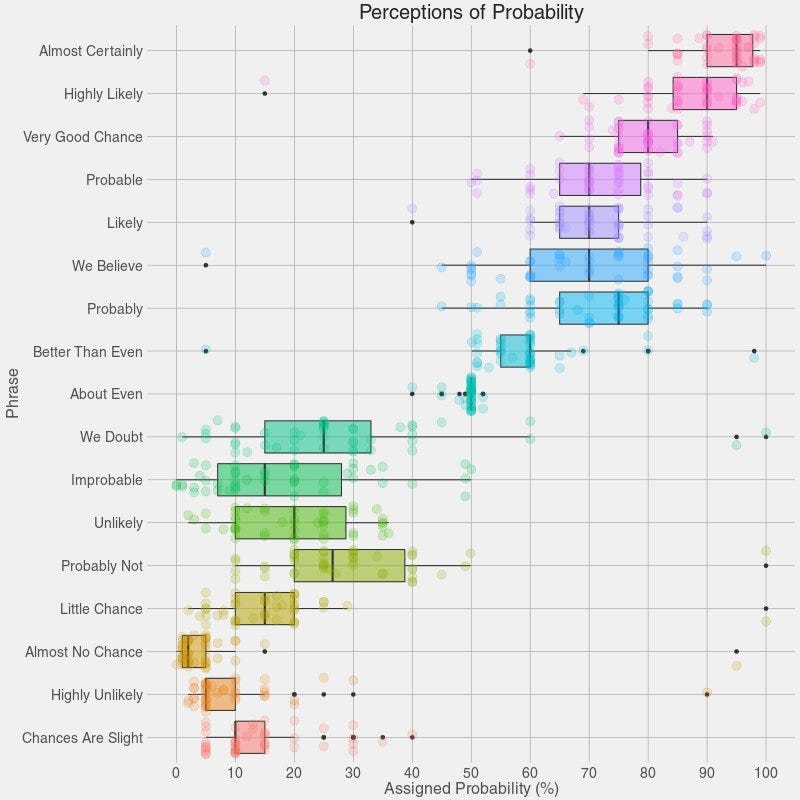
Ever wondered how people interpret phrases like “almost certainly,” “probably,” and “probably not”? Well, wonder no more. The graph below shows the probability estimates people give for these and various other terms and phrases. [Link.]
Hot Off the Press: How Tinder Changed the Dating Game
According to new research, the rollout of Tinder among college students in fraternities and sororities led to a modest but persistent increase in sexual behavior, a rise in sexually transmitted infections, and an uptick in sexual assault claims. At the same time, it had no effect on long-term relationship formation or quality. [Link.]